
Amazon Prime for Young Adults: Cost, Eligibility, & How to Save Big
Fat Kid Deals3 months ago13 min read

Fat Kid Deals may earn from qualifying purchases - more info
Affiliate Disclosure: As an Amazon Associate, Fat Kid Deals earns from qualifying purchases. Prices and availability are subject to change.
We may earn a commission for purchases made through links on the website.
Fat Kid Deals may earn from qualifying purchases - more info
Quick answer: Prime for Young Adults is Amazon’s discounted Prime membership for eligible 18-to-24-year-olds and qualifying higher-education students, and it can save you a real chunk of money if you buy dorm gear, tech, food, or personal-care basics on Amazon more than a couple times a semester. As of July 10, 2026, eligible new members can get a six-month $0 trial, then pay $7.49 a month or $69 a year, which is half the regular Prime price.
The smart move is to treat it like a savings system, not just a shipping membership. If you stack the trial, the 5% cash back on eligible categories, back-to-school or Prime Day deals, and a quick price-history check before you buy, the membership can pay for itself pretty fast.

Prime for Young Adults is Amazon’s discounted membership for younger shoppers and qualifying students. In plain English, it’s the same basic Prime bundle most people know, but at a lower price for people who are usually counting every dollar.
That matters because college spending isn’t just textbooks. It’s bedding, power strips, snacks, toiletries, chargers, printer paper, and all the random little things that show up right when your bank account is looking rough.
Yes, the branding changed, and that’s still where a lot of shoppers get tripped up. If you still search for Prime Student, you’ll usually end up in the right neighborhood, but the current program name is Prime for Young Adults.
The bigger point is that the discounted membership now clearly covers both traditional college students and 18-to-24-year-olds who want the cheaper Prime rate.
Prime for Young Adults helps most if you order enough Amazon stuff to use the membership in real life, not just for the occasional random buy. Think dorm setup, shampoo, phone chargers, snacks, headphones, printer ink, or the stuff you realize you need five minutes before you need it.
If that sounds like your semester, you’re exactly who this plan is built for.
The current pricing is the part most shoppers care about first, and for good reason. Money’s tight, so the real question is whether the discount is actually useful or just marketing with a student label slapped on it.
Right now, eligible new members can get a six-month $0 trial, then pay $7.49 per month or $69 per year. Regular Prime is $14.99 per month or $139 per year, so the discounted version is essentially half price.
The six-month free trial is the easiest reason to test Prime for Young Adults before committing. If you’re moving into a dorm, buying fall semester gear, or heading into a heavy shopping stretch, six months gives you enough time to see whether you’ll really use the perks.
That’s the key part: use the trial when your spending is naturally high, not when you’re just feeling optimistic.
Monthly billing is the safer choice if you’re not sure you’ll keep the membership all year. Annual billing is better if you already know you’ll lean on Amazon for classes, gifts, dorm restocks, toiletries, or random emergency orders.
Easy rule: if you’ll use it through most of the school year, annual usually wins. If you’re testing it, monthly keeps the risk lower.
| Membership | Monthly price | Annual price | Best for |
|---|---|---|---|
| Prime for Young Adults | $7.49 | $69 | Eligible 18-to-24-year-olds and qualifying students who want half-price Prime |
| Regular Prime | $14.99 | $139 | Anyone who doesn’t qualify for the discounted plan |
The price gap is big enough that students should almost always check eligibility before paying full Prime. There’s no reason to hand Amazon extra cash if you qualify for the cheaper version.
Eligibility is broader than a lot of people think, and that’s good news for shoppers who don’t fit the classic four-year-campus-student box. There are really two paths: an age-based path and a student-verification path.
If you’re 18 to 24, the age-based route is the first one to check. You should be ready to verify your age with a driver’s license, passport, or identity card.
That’s especially useful for community-college students, gap-year shoppers, younger adults working full time, or anyone in the right age range who isn’t using a .edu address.
If you’re enrolled in higher education, you can qualify through the student path even if you’re older than 24. A .edu email is the easiest route for a lot of people, but it’s smart to have basic enrollment proof ready too in case you need it.
That’s the part many shoppers miss. The discounted plan isn’t only for 18-to-24-year-olds. It can still work for older college students too.
Don’t wait until the last minute to hunt for documents. Have your ID, school email, or enrollment proof ready before you start, because a half-finished sign-up is how people give up and accidentally pay full price instead.
If you want the cleanest starting point, use the Prime for Young Adults sign-up page and follow the prompts from there.
The big difference is price. The core Prime bundle is the same, which is why this can be such a strong deal for students. You’re not buying a watered-down version of Prime. You’re getting the same core membership at a lower rate, plus the extra young-adult cash-back angle.
Prime for Young Adults includes the same big Prime benefits most shoppers care about: fast delivery, Prime Video, Amazon Music, Prime Day access, Grubhub+, and a long list of everyday shopping perks.
That matters because if you were already thinking about regular Prime, the discounted version usually makes a lot more sense on plain budget math.
The reason this program feels different is the category cash back. That extra layer turns the membership from a convenience tool into something closer to a built-in rewards program.
If you’re comparing options, the real question isn’t whether the perks are nice. They are. The real question is whether you’ll use them enough to beat even the discounted price.
The 5% cash back is the feature that makes this plan feel different from plain old shipping membership. Prime for Young Adults members currently earn 5% automatic cash back on eligible purchases in select categories such as beauty, apparel, personal care, electronics, and PCs.
That’s a solid list for college life because those are exactly the categories that tend to spike during move-in and the first few weeks of school.
If you want the live rules before a bigger order, the Prime for Young Adults cash back details are worth checking.
The best way to think about the cash back is that it rewards categories where students tend to overspend out of convenience. If you’re buying a laptop accessory, restocking toiletries, or grabbing campus clothes you already needed, that 5% can quietly shave money off purchases you were making anyway.
It’s not a reason to buy extra stuff. It’s a reason to time the stuff you already needed.
The fine print matters here. You need at least a $5 balance to redeem the cash back, it can’t be applied retroactively, it expires 180 days after it’s earned, and rewards are capped at $100 for one purchase and $500 in one year.
That means the smartest move is to use it on purpose instead of forgetting it exists.
This is the part students should keep in mind: the category list can change, seasonal bonus offers can come and go, and event-specific boosts aren’t guaranteed year-round.
During Prime Day 2026, for example, eligible deals in those categories briefly bumped to 10% cash back. That was real, but it was event timing, not an everyday rate.
The biggest student savings usually come from a mix of smaller wins, not one giant magical deal. That’s why Prime for Young Adults can work even if no single perk looks amazing on its own.
Fast delivery can save you from paying more at the campus bookstore or a random local store when time is tight. That’s especially useful during dorm setup, move-in week, and the first few classes when you realize your room is missing half the things you thought you packed.
If you’re building a dorm cart, it helps to keep a running list of the basics instead of making panic orders. A good starting point is our dorm room essentials for college students guide.
Food is still where a lot of student budgets go sideways, so convenience perks matter more than people think. Grubhub+ is still included with Prime, and it currently offers $0 delivery fees on eligible orders, lower service fees, and 5% credit back on pickup orders.
On the grocery side, the benefit is real, but it’s not one-size-fits-all. Grocery delivery terms, order minimums, fees, and availability vary by service and ZIP code, so check your area before you count on it as a daily dorm-life solution.

Prime Video and Amazon Music are easy to shrug off until you realize you’re already paying for other entertainment somewhere else. That bundled value can help keep your monthly total from creeping up.
Just keep the music piece in perspective: Prime includes Amazon Music as part of the bundle, but that isn’t the same thing as a separate Amazon Music Unlimited subscription.

This membership works best when it matches how you actually spend money, not how a promo graphic says you spend money. For most students, that means convenience, food, and a little chaos.
Amazon’s college-focused spending survey from 2023 is old, so it shouldn’t be treated like fresh 2026 behavior data. Even so, the broad takeaway still makes sense: food and everyday basics put a lot of pressure on student budgets.
That’s why the perk stack matters more than the headline discount.
Move-in week is expensive because you need a lot of stuff all at once. Mid-semester gets expensive because you run out of stuff you forgot you needed, like detergent, printer paper, storage bins, or the backup charger that vanished.
Prime for Young Adults makes the most sense in those two moments because that’s when shipping speed, cash back, and deal timing can save the most actual money.
Timing is a huge part of the savings game, and students who buy at the right time usually beat students who buy whenever something breaks.
Prime Day 2026 ran June 23 through June 26, which gave students a strong early-summer window to buy laptops, dorm gear, and classroom basics before fall-semester pressure kicked in. If you want a companion read for event strategy, our Prime Day 2026 guide is still useful for the stacking mindset.
The trick is to shop with a list, not a vibe. Put your bigger purchases in one place, compare the deal to recent pricing, and only use the membership when the math is actually good.
If the item is already discounted, the membership cash back can be enough to make it a much better buy. If the price looks shaky, keep moving.
Amazon’s Back to School and Off to College shops are useful because they group together the stuff students actually need. That makes it easier to compare a dorm cart, a tech cart, or a toiletries restock without bouncing around the site.
The goal is to buy once, not five times. Every extra order is another chance to overspend on little add-ons you didn’t mean to buy.
Before you buy anything expensive, check whether the deal is actually strong or just dressed up to look urgent. Amazon’s price-history tool is built for exactly that, and it’s especially useful for laptops, mini fridges, monitors, and other dorm purchases that can swing in price.
If you want the live walkthrough, the Amazon price history feature explainer is the best place to start.
You don’t need a complicated spreadsheet to make Prime for Young Adults work. You just need to use it like a student, which means buying smart and avoiding lazy cart mistakes.
Annual billing usually makes sense if you already know you’ll rely on Amazon through most of the school year. If you’re doing move-in, semester supplies, holiday gifts, and a few emergency orders, the yearly plan is usually the cleaner move.
Monthly billing is better only if you’re still testing it.
Start with categories that already fit your life: beauty, personal care, apparel, electronics, and PCs. That’s where the 5% can stack with sale prices in a way that actually moves the needle.
Don’t force a category just because it sounds rewarding. The best savings are the ones you'd’ve made anyway.
Batching orders saves time and usually saves money because you’re less likely to place a dozen tiny orders that each tempt you into extra add-ons. Build a dorm checklist, a class list, and a restock list before you hit checkout.
That tiny bit of planning usually beats the expensive chaos method.
This is the part most promo pages gloss over, but it’s the part smart shoppers should care about most. Prime for Young Adults isn’t free forever, and it isn’t automatically worth it for every student.
If you only order from Amazon a few times a year, even a half-price membership may be too much. Free shipping sounds nice, but if you barely use it, you’re still paying for a perk you don’t need.
In that case, paying as you go may be the better move.
The membership gets a lot weaker if you never use Prime Video, Amazon Music, Grubhub+, or the cash-back categories. If those features sit untouched, you’re basically buying a discount you won’t fully collect.
If you’re trying to figure out whether to stay on a family setup instead, our Amazon Household guide can help you compare the options.
The sign-up process is straightforward, but it’s still worth moving slowly enough to avoid paying full price by accident. The main thing is choosing the right verification path from the start.
If you’re 18 to 24, be ready to verify your age with a driver’s license, passport, or identity card. That’s usually the cleanest route for young adults who aren’t using a school email.
Once that’s confirmed, you can move through the trial and membership steps pretty quickly.
If you’re enrolled in higher education, use your school information and follow the student-verification prompts. A .edu email is often the easiest route if you’ve got one, but it’s smart to have enrollment proof handy too.
And yes, this is where older-than-24 students should pay attention. The student path can still qualify you.
Prime for Young Adults is Amazon’s discounted Prime membership for eligible 18-to-24-year-olds and qualifying higher-education students. It gives you the same core Prime benefits as regular Prime at half the price, plus category cash-back perks for eligible purchases.
Yes. Prime Student is the older name. Prime for Young Adults is the current branding Amazon uses for the discounted young-adult and student membership.
As of July 10, 2026, eligible new members can try it for six months for $0, then pay $7.49 per month or $69 per year. Regular Prime is $14.99 per month or $139 per year.
Two groups can qualify: eligible 18-to-24-year-olds using age verification, and qualifying higher-education students using student verification.
Yes. The age-based path stops at 24, but the student path can still qualify higher-education students who are older than 24.
It applies to eligible purchases in select categories that currently include beauty, apparel, personal care, electronics, and PCs. The exact categories and bonus opportunities can change during the year.
Yes. You need at least a $5 balance to redeem it, it can’t be applied retroactively, it expires 180 days after it’s earned, and it’s capped at $100 for one purchase and $500 in one year.
Yes. It includes the same core Prime benefits as regular Prime, including fast delivery, Prime Video, Amazon Music, Prime Day access, and other everyday Prime perks.
Usually yes if you order dorm supplies, tech, groceries, or personal-care items on Amazon more than a few times a semester. The value gets much stronger when you use the free trial, stack timed deals, and actually redeem the built-in cash back.
Prime for Young Adults is worth a look if you’re a college student or an 18-to-24-year-old who already shops on Amazon enough to make the math work. It gets a lot more useful once you treat it like a savings plan for move-in, food, and timed deal events instead of just a shipping add-on.
If you’re eligible, start with the free trial, keep your cart focused on real needs, and use the price-history tool before you buy anything expensive. That’s how you get the most from the membership without overpaying for stuff you were going to buy anyway.
 Glow in the Dark LED Light Up Ball, Rechargeable 6-Color Changing Cowhide...$14.99$21.4230% off
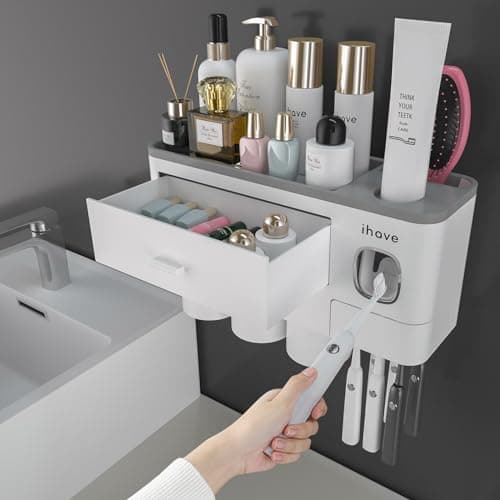
 WART Corn Remover Pads for Feet, 40% Salicylic Acid Wart Remover Pads, Corn...$6.39$7.9920% offToothbrush Holders Wall Mounted with Toothpaste Dispenser & 3 Cups | All-in-One...$18.39$22.9920% off
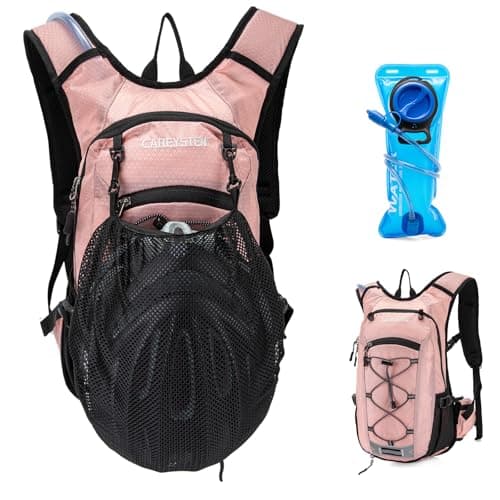 Carey STENHydration Backpack Hiking Pack Equipped 2L Water Bag$28.79$31.9910% off
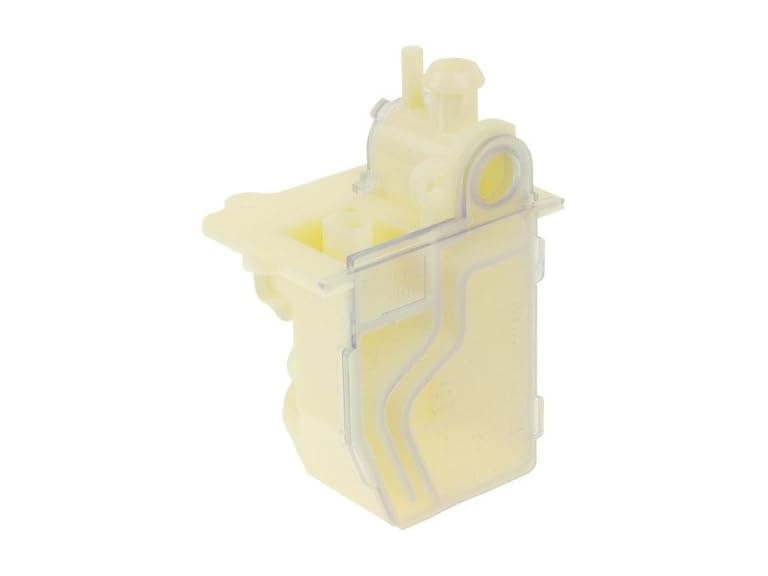 Protech 68-104346-01 Water Trap Condensate Drain$9.99$21.6154% off
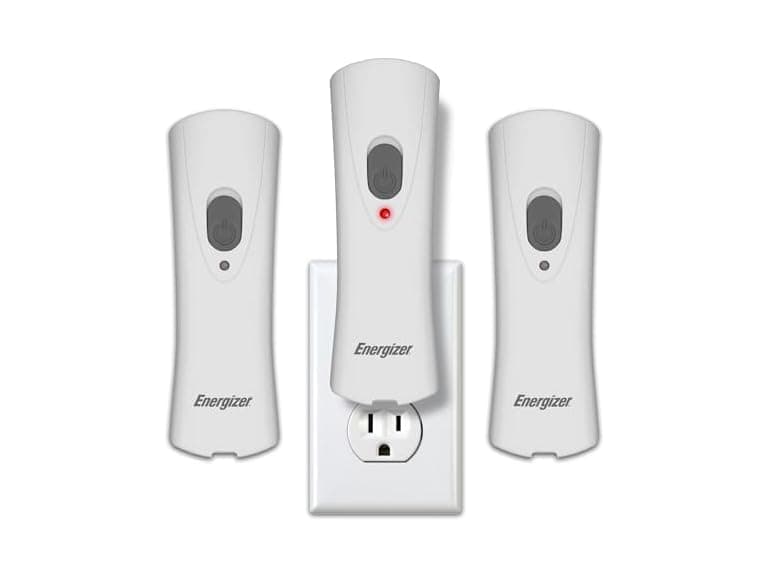 Energizer Weatheready Rechargeable LED Lights 3PK - White$14.99$31.4952% off
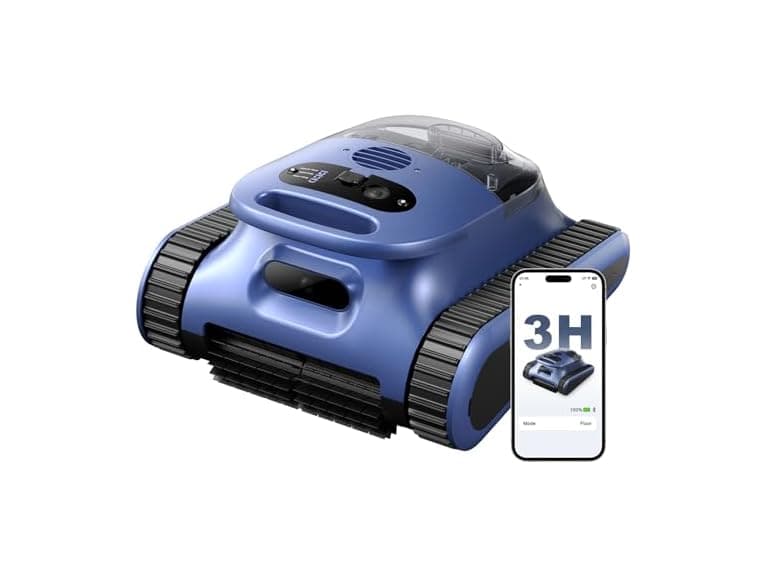 Automatic Robotic Pool Cleaner, 3 in 1$169.99$479.9965% off
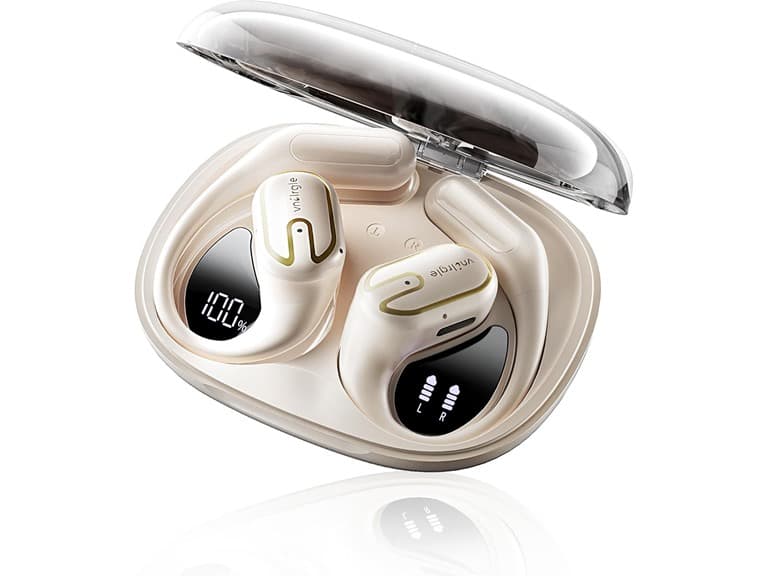 vnilrgle Over Ear Earbuds with Ergonomic Earhook$12.99$43.9970% off
