Amazon Music Explained: Free vs Prime vs Unlimited
Fat Kid Deals3 months ago13 min read
Fat Kid Deals may earn from qualifying purchases - more info
Affiliate Disclosure: As an Amazon Associate, Fat Kid Deals earns from qualifying purchases. Prices and availability are subject to change.
We may earn a commission for purchases made through links on the website.
Fat Kid Deals may earn from qualifying purchases - more info
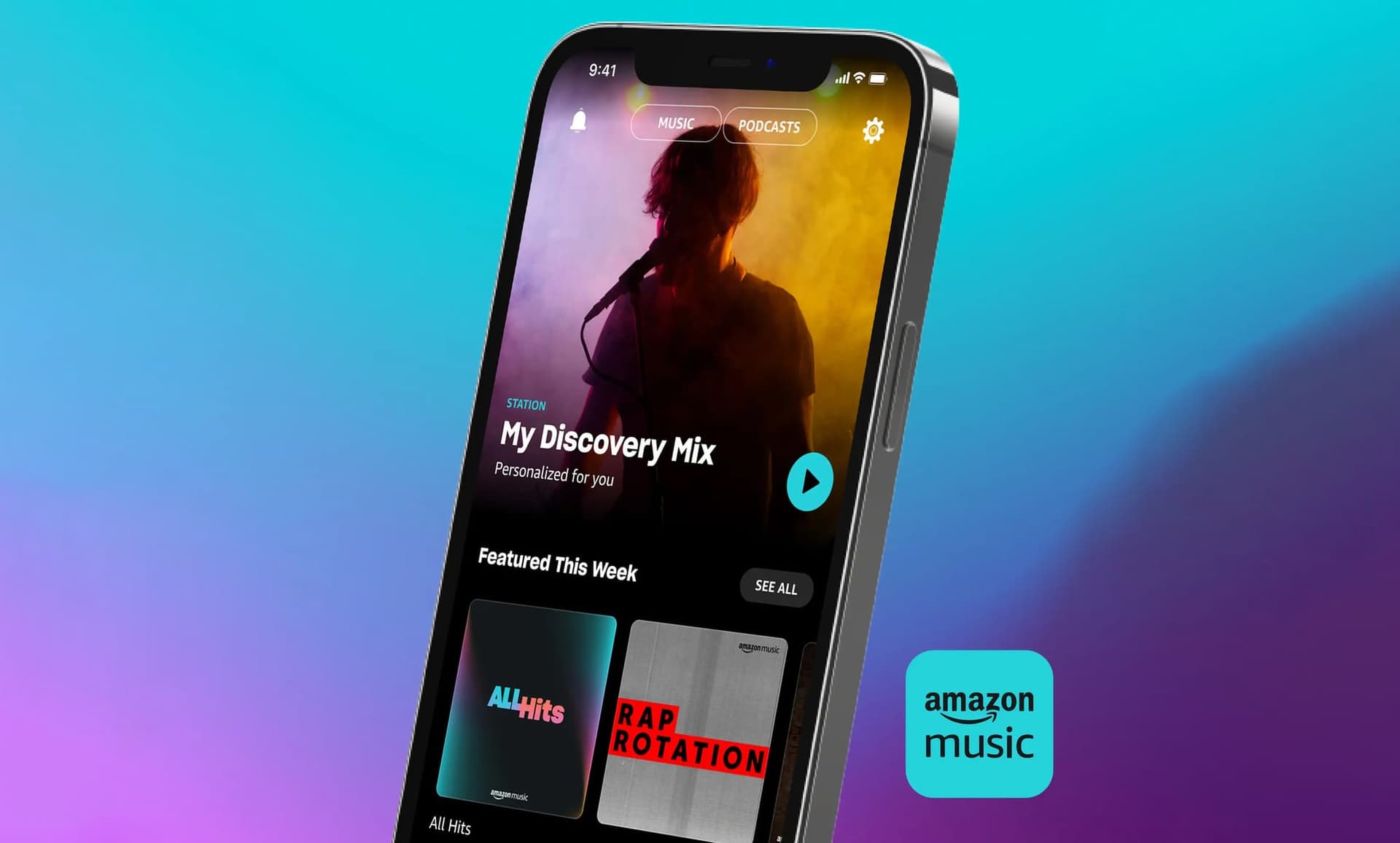
Amazon Music is Amazon’s streaming service for music, podcasts, and a few audio extras, but it’s really three different experiences: Free, Prime-included, and Amazon Music Unlimited. If you already pay for Prime, you may already have enough for casual listening. If you want true on-demand playback, better sound, and broader offline use, Unlimited is the upgrade.
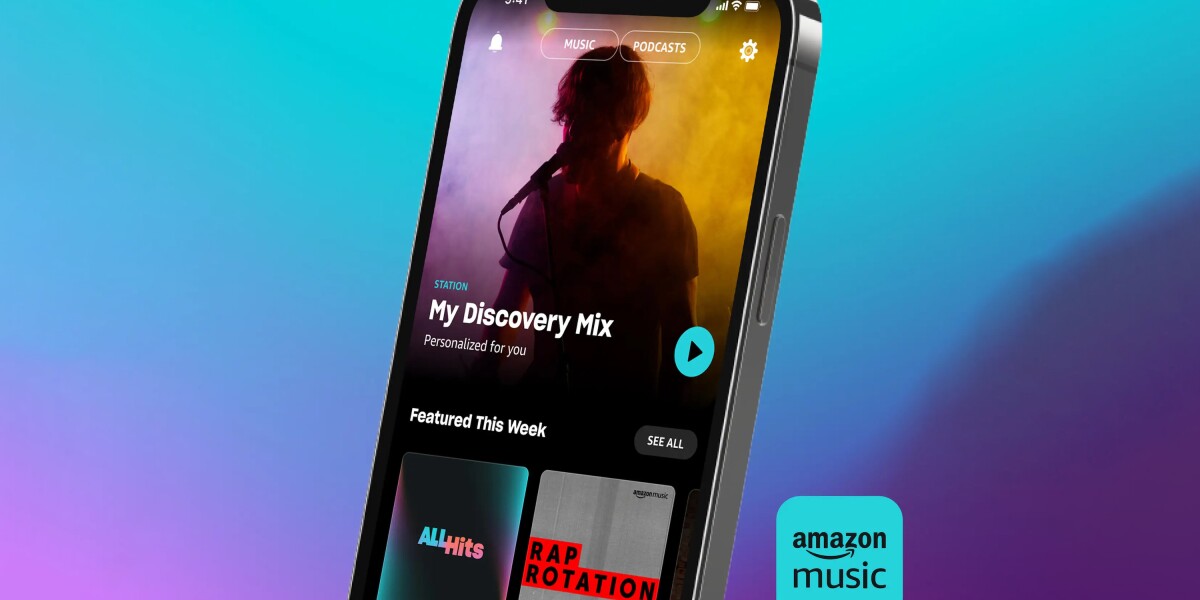
Amazon Music is Amazon’s audio streaming service for music, podcasts, and culture-driven audio content. It has multiple tiers, including a free option, a version included with Prime, and the paid Amazon Music Unlimited plan.
The easiest way to think about it's this: Amazon Music is one service, but not one experience. The tier you pick decides whether you get ads, shuffle-style listening, full on-demand control, offline downloads, and better audio quality.
Amazon Music makes a lot more sense once you see the plans side by side. Here’s the simple version shoppers usually run into in the U.S.
| Plan | What it costs | What you get | Best for |
|---|---|---|---|
| Amazon Music Free | $0 | Ad-supported music and podcasts with limited control; no credit card required on Amazon’s free signup flow | Casual listeners who don’t mind ads |
| Amazon Music Prime | $0 extra with Prime | Over 100 million songs ad-free, shuffle-based listening outside All-Access Playlists, All-Access Playlists on demand and offline, and the largest catalog of top ad-free podcasts | Prime members who want a solid included perk |
| Amazon Music Unlimited Individual | As of July 10, 2026, official Amazon pages show roughly $10.99 to $11.99/month for Prime members and $11.99 to $12.99/month for non-Prime members | Full on-demand playback, unlimited skips, broader offline downloads, HD/Ultra HD/spatial audio, and one Audible audiobook each month for eligible subscribers | Frequent listeners, audio fans, and people who hate shuffle mode |
| Family | Around $19.99/month on Amazon’s current FAQ | Up to 6 family members, personalized libraries and recommendations, and up to 6 simultaneous streams; Amazon’s FAQ currently lists it as Prime-only | Families and shared homes |
| Student | $5.99/month | Full Unlimited features at the student rate, with SheerID verification and a maximum of 4 years while eligible | Eligible college students |
| Single Device | $5.99/month | Unlimited on one Echo or Fire TV only; no HD, Ultra HD, or spatial audio | People who mostly listen in one room on one Amazon device |
The key thing to watch is that Amazon-owned pages can show different current figures, especially for Unlimited Individual. That’s why the live checkout page matters more than a screenshot, a cached result, or an older promo page.
Amazon Music Free is the no-cost option, and it’s fine if you only listen casually or don’t mind ads. It lets you stream music and podcasts without a credit card, which is a nice low-risk way to try the app.
The tradeoff is control. It’s the most limited version of the service, so don’t expect the same pick-anything, play-anything experience you’d get from Unlimited.
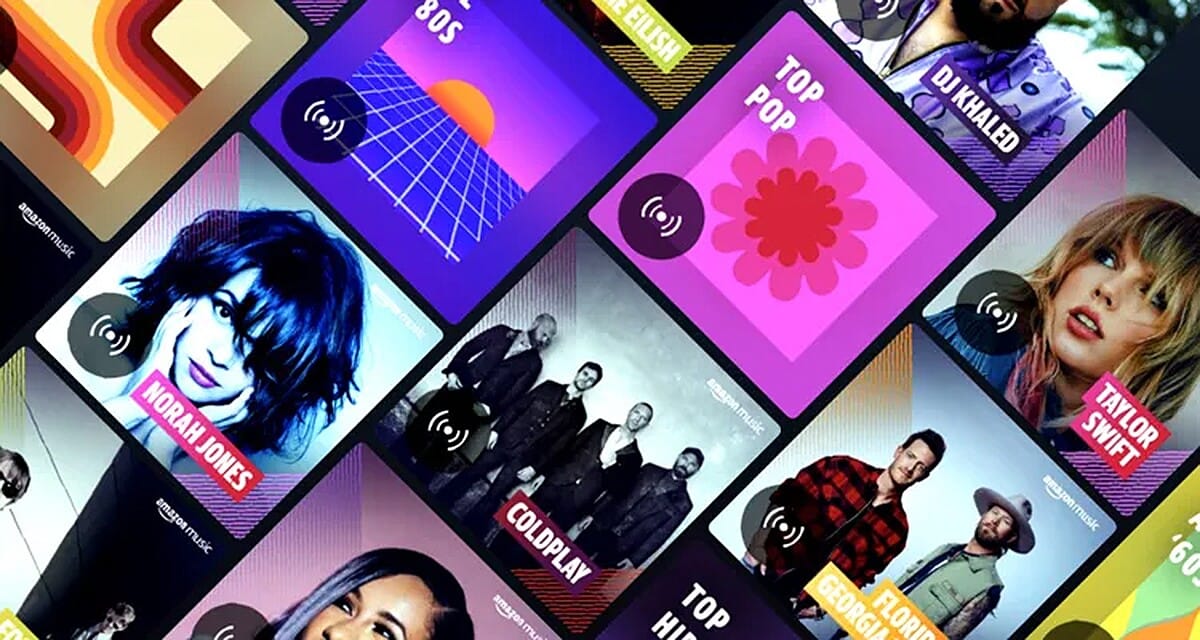
Amazon Music Prime is the version bundled with Prime, and it’s the sweet spot for a lot of shoppers because it doesn’t cost extra beyond your membership. Prime includes over 100 million songs ad-free, shuffle play across the broader catalog, All-Access Playlists that you can play on demand, and the largest catalog of top ad-free podcasts.
If you already pay for Prime, this is the first place to stop and ask, “Do I actually need more?” A lot of people won’t.
Amazon Music Unlimited is the full paid version, and it’s the one that feels most like a traditional music subscription. You get true on-demand playback, unlimited skips, better offline options, and the best sound quality Amazon offers.
That extra control is what makes it worth paying for if you listen all day, care about sound quality, or get annoyed the second shuffle mode picks the wrong song.
The Family plan makes sense if multiple people in your home actually listen enough to want their own libraries and recommendations. Amazon’s FAQ says up to six family members can use it, and up to six devices can stream at the same time.
Students should check the student rate first, because it’s still the cheapest way to get the full Unlimited feature set. Just know Amazon requires student verification through SheerID, and the discount only lasts for up to four years while you stay eligible.
The Single Device plan is the budget play for people who mostly listen on one Echo or Fire TV. It’s cheap, but it’s also more restricted than the full Individual plan, and it doesn't include HD, Ultra HD, or spatial audio.
Amazon Music pricing depends on which tier you pick, whether you already have Prime, and which promo is live when you subscribe. As of July 10, 2026, the numbers across Amazon-owned pages still don’t fully line up, so the live checkout page is the only price that really counts.
The safest way to read it right now is this: Prime-included listening costs nothing extra beyond Prime, Student and Single Device are still showing $5.99/month, Family is still around $19.99/month on Amazon’s FAQ, and Unlimited Individual currently appears in two different official price bands depending on which Amazon page you hit.
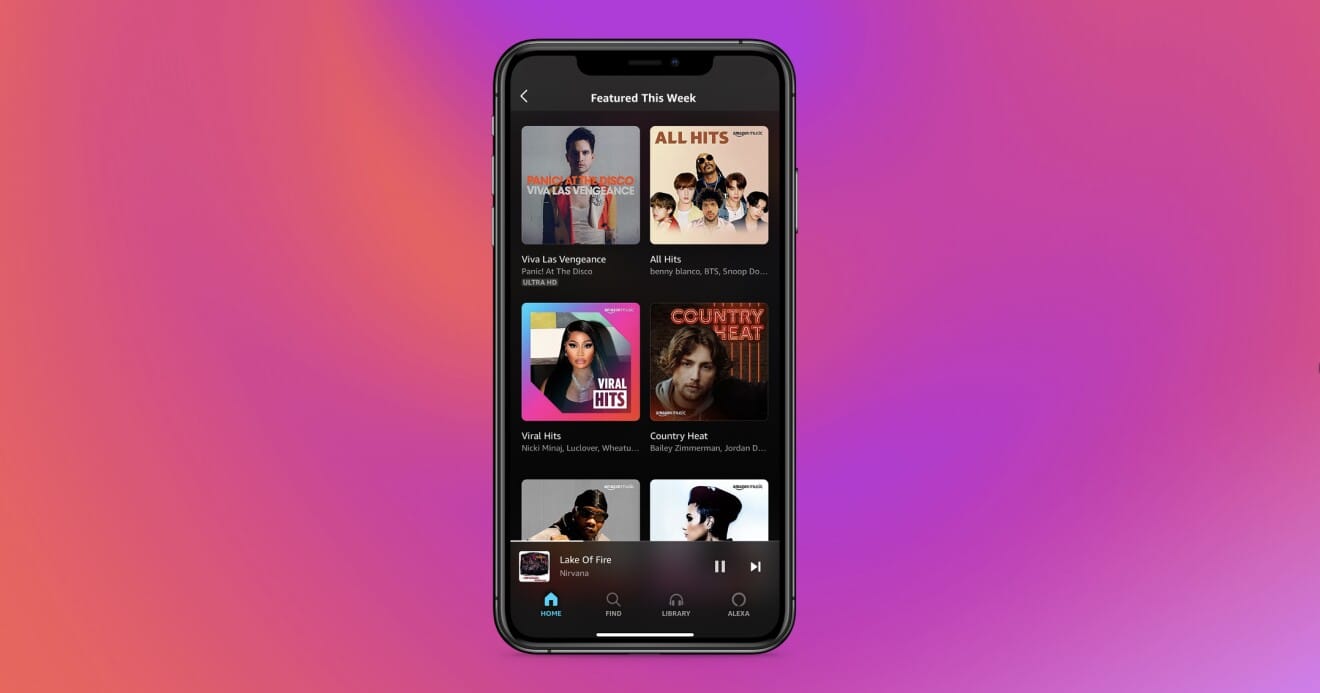
Right now, one official Amazon Music signup page shows Unlimited auto-renewing at $11.99/month, or $10.99/month for Prime members. But other current Amazon-owned pages show about $12.99/month for non-Prime customers and $11.99/month for Prime members instead.
If you like paying annually, it gets just as messy. Amazon-owned pages currently show conflicting Prime annual prices too, with figures around $109/year on one page and around $119/year on another.
That’s why the safe move is simple: check the live purchase page right before you pay. If the number doesn’t match what you expected, don’t guess. Refresh, recheck the exact plan, and make sure you’re looking at the current checkout flow for your account.
As of July 10, 2026, one official U.S. signup page is promoting up to four months free for eligible new Prime subscribers and three months free for eligible new non-Prime subscribers.
That can make Unlimited worth testing before you commit, especially if you’re on the fence about whether you’ll actually use the on-demand controls, better sound, and audiobook perk enough to justify the monthly bill. Just remember that these are limited-time, new-subscriber offers, and they auto-renew unless you cancel.
The biggest difference between Amazon Music tiers is control. Free is the lightest version, Prime gives you a solid included perk, and Unlimited gives you the full streaming experience.
Here’s the wallet-first comparison.
| Feature | Free | Prime | Unlimited |
|---|---|---|---|
| Ads | Yes | No | No |
| On-demand playback | Limited | Limited outside All-Access Playlists | Yes |
| Skips | Limited | Limited in the broader catalog | Unlimited |
| Offline downloads | Limited | All-Access Playlists only | Broad song and playlist downloads |
| Audio quality | SD | SD | HD, Ultra HD, and spatial audio |
| Podcasts | Yes, with limits | Largest catalog of top ad-free podcasts | Top ad-free podcasts included |
| Audible audiobook perk | No | No | Yes, one per month for eligible subscribers |
| Best for | Occasional listening | Prime members | Power users and audio fans |
That table is the whole story in one glance: Prime is good enough for a lot of people, but Unlimited is the plan that removes the annoying compromises.
Prime gives you a huge catalog, but much of it behaves more like shuffle-based radio than a full pick-any-song library. That’s the part that surprises people most, because “100 million songs” sounds like full control until you actually try to jump straight to whatever track you want.
Unlimited removes that friction. You can pick the album, the song, or the playlist you want, then move around however you like.
Amazon Music Prime is ad-free, which is great, but it still isn’t as open as Unlimited. Prime members can download All-Access Playlists for offline listening, while Unlimited lets you download songs and playlists much more broadly.
That matters most if you commute, travel, or use music in places where your signal gets flaky. A cheaper plan can look fine on paper, then get irritating the second you want to skip around or save more than a few playlists offline.
If you mostly listen to podcasts, Prime may already cover a lot of what you need. Amazon includes the largest catalog of top ad-free podcasts with Prime, which is a pretty nice bonus if you’re already paying for the membership anyway.
Unlimited adds one Audible audiobook each month for eligible subscribers in supported markets, including the U.S. For people who actually finish books, that perk makes the upgrade a lot more interesting than a plain music-only subscription.
Amazon Music Unlimited is the plan that unlocks the best sound, and that’s where HD, Ultra HD, and spatial audio show up. If sound quality matters to you, this is the section to care about.
Free and Prime are standard definition only. That’s perfectly fine for casual listening, smart speakers, and basic earbuds.
Unlimited adds HD and Ultra HD lossless audio. Amazon describes HD as 16-bit audio with a minimum 44.1 kHz sample rate, which is basically CD quality. Ultra HD goes higher, with 24-bit audio and sample rates up to 192 kHz on supported tracks.
On cheap earbuds, the difference can be subtle. On better headphones or a decent speaker setup, it’s easier to hear why some people pay extra for it.
Spatial audio adds directional depth so the music feels more three-dimensional. Amazon Music Unlimited supports spatial audio in Dolby Atmos and Sony 360 Reality Audio on compatible content.
That doesn’t mean every song suddenly turns magical, and it won’t matter much if your gear is basic. But if you’ve got better headphones or speakers and you care about soundstage, it’s a real step up.
Amazon Music works on the web player, desktop app, iPhone, Android, Fire TV, and Alexa devices like Echo. Amazon also supports playback on a wider range of connected gear, including some third-party devices.
It’s built to fit the places you already listen, which is a big reason it’s easy to keep using if you already live inside Amazon’s device ecosystem.
If you want the broadest flexibility, Amazon Music covers the usual bases: browser, desktop app, phone apps, Fire TV, and Alexa-powered speakers. That makes it a decent fit for people who bounce between devices all day.
There are still a few plan and device quirks. Amazon’s FAQ notes that Prime’s improved music benefit is available on the web player, mobile and desktop apps, and Echo devices. It also notes that Fire TV is music-only, and Fire Tablet doesn’t get the full music catalog or ad-free podcast availability on the Prime tier.
Amazon keeps adding AI features, but they’re not all at the same stage. As of April 9, 2026, Alexa+ is available to all U.S.-based Amazon Music customers in the Amazon Music app on iOS and Android at no extra cost across all subscription tiers.
Maestro is different. Amazon still describes it as a beta AI playlist generator rolling out to a subset of U.S. customers on iOS and Android. Nice bonus? Sure. A reason by itself to pay for Unlimited? Probably not.
The best Amazon Music plan is the cheapest one that actually matches how you listen. That sounds obvious, but it’s the rule people skip when they start comparing features instead of real habits.
| If you are... | Cheapest smart pick | Why |
|---|---|---|
| Already a Prime member and mostly listen casually | Amazon Music Prime | It’s already included, and it may be enough |
| A student who wants full control | Student Unlimited | You get the full feature set at the lowest paid rate |
| A family with multiple heavy listeners | Family plan | Separate profiles and simultaneous streams make it easier |
| A one-room Echo or Fire TV listener | Single Device plan | It’s the cheapest paid option if you truly stay on one Amazon device |
| An audiophile or heavy listener | Unlimited Individual | On-demand playback and better audio are the whole point |
Use that decision framework and you’ll avoid paying for controls you won’t actually use.
If you already pay for Prime and mostly want music for background listening, Amazon Music Prime is the right place to stop. It’s bundled, ad-free, and good enough for a lot of everyday use.
That’s especially true if you mostly listen on Echo speakers, throw on playlists while cooking, or treat music as a nice extra instead of a main hobby.
Students should compare the $5.99/month student plan against the cost of sticking with Prime-included listening. If you want true on-demand playback and better audio, the student rate is one of the better deals in Amazon’s audio lineup.
Families should look at the Family plan if more than one person listens enough to care about separate libraries and recommendations. If you’re also trying to figure out broader shared Prime perks, this guide on how Amazon Household lets families share Prime benefits is the relevant companion read.
If you listen every day, care about sound quality, or want the least annoying version of the service, Unlimited is the one that makes sense. HD, Ultra HD, spatial audio, full on-demand control, and broader offline downloads are the features that actually justify the upgrade.
Skip it if you mostly use music as background noise and you’re already happy with Prime’s shuffle-style listening. That’s where extra subscription money leaks out for no real payoff.
Stick with Amazon Music Prime if you already pay for Prime and just want a decent, no-extra-cost music perk. For a lot of shoppers, that’s the best value in the whole lineup.
Upgrade to Amazon Music Unlimited if you want full on-demand playback, better sound, broader downloads, or the monthly audiobook perk. If you don’t need those things, the cheaper tier is the smarter buy.
And if ads don’t bother you and you only listen now and then, the free plan is perfectly fine. The whole point is to avoid paying for a level of service you won’t really use.
Amazon Music is Amazon’s audio streaming service for music, podcasts, and culture-driven audio content. It includes a free option, a version bundled with Prime, and the paid Amazon Music Unlimited tier.
Yes. Prime members get Amazon Music at no extra charge, including over 100 million songs ad-free, shuffle play across the wider catalog, All-Access Playlists, and the largest catalog of top ad-free podcasts.
Prime gives you ad-free listening but with meaningful limits, especially shuffle-style playback outside All-Access Playlists. Unlimited adds true on-demand listening, unlimited skips, broader offline downloads, HD/Ultra HD/spatial audio, and the audiobook perk.
Prime-included Amazon Music costs nothing beyond Prime. As of July 10, 2026, Amazon-owned pages show conflicting Unlimited Individual prices, with some showing about $10.99/month for Prime members and $11.99/month for non-Prime, while others show about $11.99/month for Prime and $12.99/month for non-Prime. Student and Single Device are still $5.99/month, and Family is around $19.99/month on Amazon’s FAQ, so verify the live checkout page before you subscribe.
Yes. Amazon offers a free tier, and its current free music page says you can stream music and podcasts without a credit card, but the experience is ad-supported and more limited than Prime or Unlimited.
Yes, but it depends on your plan. Prime members can download All-Access Playlists for offline listening, while Unlimited supports broader downloads of songs and playlists.
Free and Prime are standard definition only. Amazon Music Unlimited adds HD, Ultra HD, and spatial audio.
Yes. Eligible Amazon Music Unlimited subscribers in the U.S. can listen to one Audible audiobook each month. On the Family plan, that benefit goes to the primary account holder.
Amazon Music works on the web player, desktop app, iPhone, Android, Fire TV, and Alexa devices like Echo. Amazon also supports some third-party devices, but feature limits can still vary by plan and device.
It usually is if you want true on-demand playback, better audio quality, broader offline downloads, or the audiobook perk. If you mostly use Echo speakers, shuffle playlists, and already pay for Prime, the included tier may be enough.

 Glow in the Dark LED Light Up Ball, Rechargeable 6-Color Changing Cowhide...$14.99$21.4230% off
 WART Corn Remover Pads for Feet, 40% Salicylic Acid Wart Remover Pads, Corn...$6.39$7.9920% offToothbrush Holders Wall Mounted with Toothpaste Dispenser & 3 Cups | All-in-One...$18.39$22.9920% off
 Carey STENHydration Backpack Hiking Pack Equipped 2L Water Bag$28.79$31.9910% off