
Amazon Health AI for Prime Members: Free vs Paid
Fat Kid Deals3 months ago12 min read

Fat Kid Deals may earn from qualifying purchases - more info
Affiliate Disclosure: As an Amazon Associate, Fat Kid Deals earns from qualifying purchases. Prices and availability are subject to change.
We may earn a commission for purchases made through links on the website.
Fat Kid Deals may earn from qualifying purchases - more info
Amazon Health AI (beta) is a health assistant inside Amazon.com and the Amazon app that helps you sort symptoms, medication questions, lab results, and next steps for care. The money-saving part is narrower than some headlines make it sound: eligible Prime members can get up to five no-additional-cost Direct Message Care treatments for 30+ common conditions, but that offer has age, state, and government-plan restrictions, access is still rolling out by invite, and paid care starts around $29 for message care or $49 for video care as of July 10, 2026. Prices can vary by condition and state and can change.
If you already pay for Prime and you want quick help for minor issues, prescription follow-up, or a smoother path into One Medical and Amazon Pharmacy, this can be useful.

Amazon Health AI is a personalized health assistant that lives on Amazon.com and in the Amazon app. It's designed to help you figure out what may be going on, what your options are, and whether you should move from self-service help to a real provider.
At a practical level, that means you can ask about symptoms, medications, lab results, and records you've chosen to share. It can also help route you to the next step, whether that's a message-based treatment, a video visit, an in-person appointment, or a prescription renewal request.
If you give permission, One Medical can pull in available records from other providers through health information exchange, plus your Amazon Pharmacy and One Medical information if you already use those services. That's what makes the answers more personal than a generic chatbot.
Here's the simple money answer. Health AI itself is part of Amazon's broader health push, but the free shopper perk isn't unlimited care; it's a limited set of Direct Message Care treatments for eligible Prime members.
That matters because some headlines make it sound like Prime suddenly includes endless 24/7 doctor access. It doesn't. The good news is that the capped free offer can still be valuable if you only need occasional help and want to avoid paying cash for every small issue.
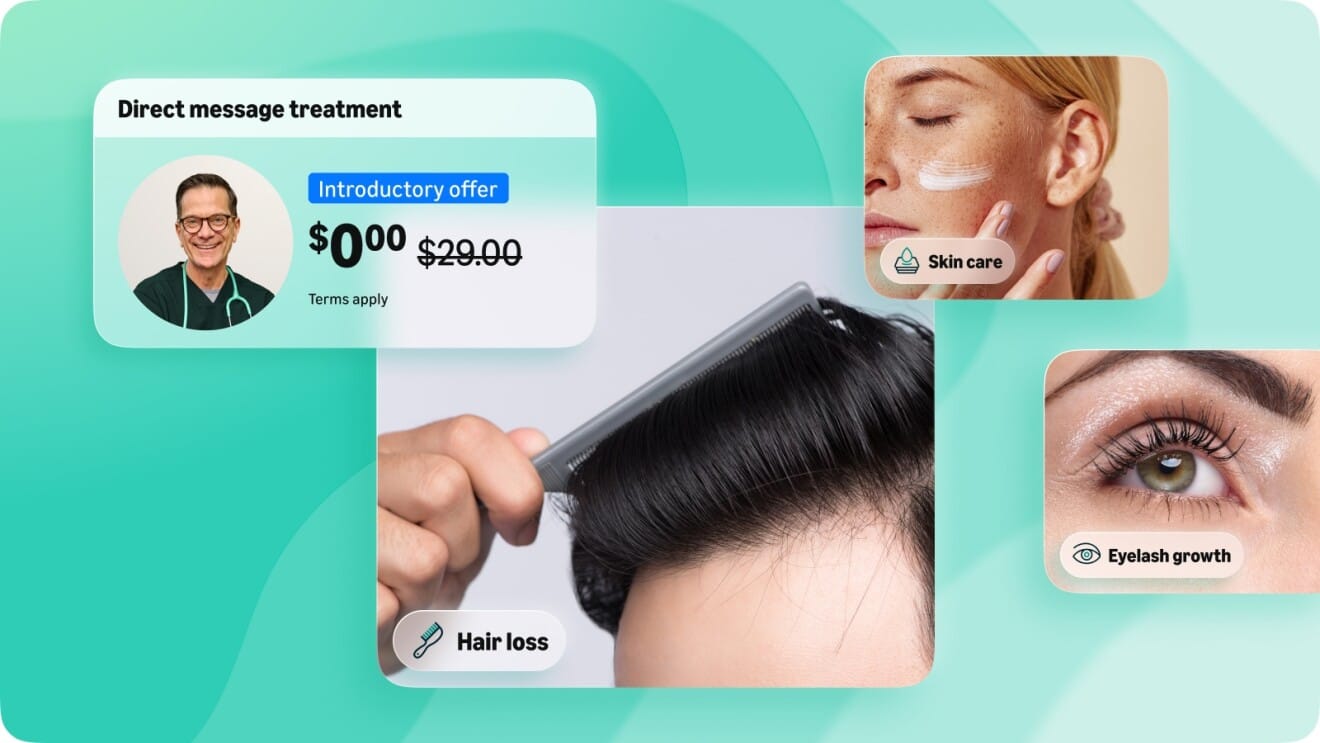
Eligible Prime members get up to five Direct Message Care treatments at no additional cost. That's the part worth paying attention to, because it's the clearest built-in savings for everyday shoppers.
Direct Message Care means you message a provider instead of sitting through a live video appointment. It's usually better for low-acuity problems where a provider can review your situation, ask follow-up questions, and tell you the next step without a full live visit.
The free offer covers 30+ common conditions, and the point is convenience as much as savings. If you'd otherwise pay cash for a quick telehealth message visit, those five treatments can add up fast.
The trick isn't to confuse "free" with "unlimited." Amazon's limit is per Prime membership account, and the treatments have to be used in 2026 or before the offer ends, whichever comes first.
| Option | What you get | Typical cost |
|---|---|---|
| Prime free offer | Up to 5 Direct Message Care treatments for eligible Prime members using Health AI | $0 extra, if you qualify |
| Pay-per-visit care | One-time Direct Message Care or Video Care without a membership | Around $29+ for Direct Message Care or $49+ for Video Care as of July 10, 2026; self-pay, prices vary by condition and state |
| Prime-priced One Medical membership | 24/7 on-demand virtual care in the One Medical app, plus broader membership tools | $99/year or $9/month for the first member as of July 10, 2026; add up to 5 family members for $66/year or $6/month each |
That table is the real decision-maker. If you only need a couple of treatments a year, the free Prime offer is the cheapest route. If you expect more frequent care, the membership can make more sense than buying visits one at a time.
Eligibility is where the fine print gets serious. The offer isn't open to every Prime member, and that's the part many people miss until they try to use it.
The introductory Prime offer is for members ages 18 to 64. It isn't available to people covered by government health plans including Medicare, Medicaid, or TriCare, and it's excluded in Alaska, Arkansas, Delaware, Hawaii, Indiana, Kansas, Mississippi, New Mexico, Vermont, and West Virginia.
That means a lot of seniors, Medicaid households, military families using TriCare, and shoppers in those states won't be able to count on the free treatments. If that's you, don't plan your budget around a benefit you can't actually use.
Amazon says Health AI is available on Amazon.com and in the Amazon app, but its help page still says access is rolling out on an invite basis for U.S. Amazon customers age 18 and older.
In plain English: if you don't see it yet, you may just not be in the rollout window. The smart move is to check your Amazon account on the web or in the app, and if it isn't there, request an invite instead of assuming you did something wrong.
After the free Prime treatments are used up, One Medical On-Demand Care is the paid fallback. That's where the real out-of-pocket math starts.
As of July 10, 2026, One Medical On-Demand Care starts at $29 for Direct Message Care and $49 for Video Care. Amazon says those prices can vary by condition and state, and Direct Message Care availability also varies by state.
This is self-pay care, so insurance isn't accepted or needed for On-Demand Care. Amazon also says these one-off visits are FSA/HSA eligible, which may soften the blow if you already set money aside for medical expenses.
The upside is that you can pay only when you need it. The downside is that repeat use can get expensive fast if you keep coming back for every small thing.
As of July 10, 2026, a Prime-priced One Medical membership is $99 per year or $9 per month for the first member. Added family members are $66 per year or $6 per month each, up to five.
What you're really buying is 24/7 on-demand Video Care and Direct Message Care at no extra cost inside the One Medical app, plus easier prescription renewals, records access, and the broader One Medical membership experience. But there's an important caveat: scheduled in-person and scheduled video visits still aren't included in the membership and are billed to you or your insurance.
If you'd otherwise pay for several one-off visits over the year, the membership can be easier to justify. If you only need one or two quick consults, the free Prime offer is usually the smarter play.
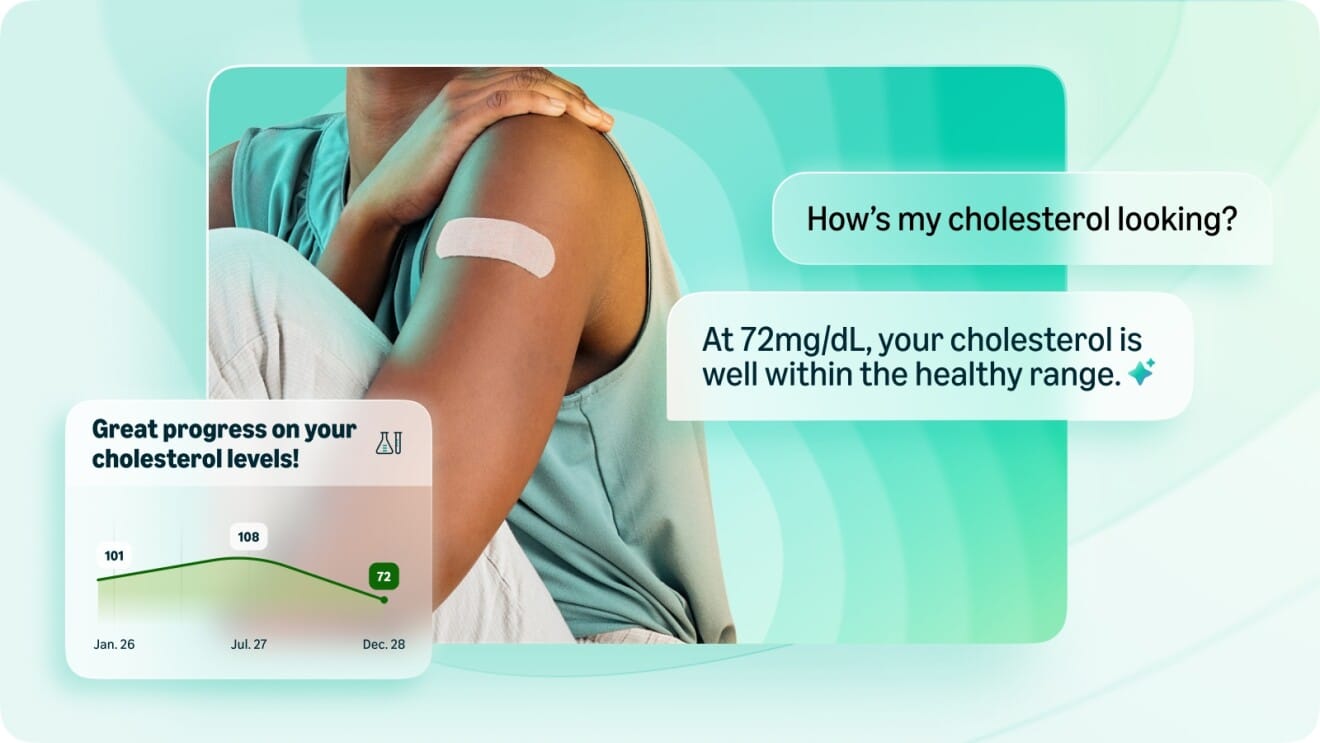
The best value depends on how often you'll use it and what kind of care you need. There isn't one answer that fits every Prime household.
Pick the free Prime offer if you mostly need quick help with minor issues, follow-up questions, or a single prescription-related check-in. It's also the obvious choice if you're just testing the waters and don't want another recurring bill.
This is the cheapest path for light users, which is exactly why budget-minded shoppers should care.
Pick the membership if you expect repeated virtual care, want easier ongoing follow-up, or care more about continuity than one-off savings. The yearly or monthly fee can be simpler than stacking a bunch of pay-per-visit charges.
Skip it if you were expecting unlimited free telehealth, because that's not what Prime gives you here. Skip it if you're on Medicare, Medicaid, or TriCare, or if you live in one of the excluded states.
Also skip it for emergencies or anything that feels serious enough to need immediate in-person care. Health AI is for support, not for replacing a doctor or handling urgent red-flag symptoms.
If you're trying to decide whether Prime is worth keeping for perks like this, our guide to Prime for Young Adults in 2026 can help you do the math. And if you share a household, Amazon Household: how to share Prime with family is worth a look too, because shared Prime benefits can affect how many free Direct Message Care treatments your household sees as available.
Health AI doesn't stop at advice. It's part of a larger Amazon health setup that can move from question to provider to prescription without making you start over in a different app.
A One Medical provider can send prescriptions to any pharmacy you choose, including Amazon Pharmacy. That's useful if you want a cleaner handoff after a visit, but it's also nice that Amazon doesn't force you to keep everything inside its own pharmacy.
If your provider prescribes something, you can choose where it goes. That flexibility matters because Amazon Pharmacy is convenient for some people, but your usual neighborhood pharmacy may still be better for others.
Amazon Pharmacy says it accepts most insurance plans, offers free delivery, and gives Prime members extra savings when paying without insurance. If you regularly pay cash for common generics, RxPass may be the more important money-saving perk here: as of July 10, 2026, Amazon markets it as a $5-per-month Prime subscription covering 50+ eligible generic medications.
If you manage meds for a parent or another family member, Amazon's pharmacy stack gets even more interesting. Amazon Pharmacy has caregiver tools and PillPack access for Medicare Part D beneficiaries, and that can make recurring meds much less annoying. For more on that side of the system, see Amazon Pharmacy caregiver and PillPack updates.
Caregivers are one of the clearest use cases here. If you're helping someone keep track of refills, delivery timing, or pharmacy changes, a connected care flow can save time and reduce hassle.
That said, convenience only matters if the underlying care is a fit. A tidy prescription workflow doesn't make the service right for everyone.
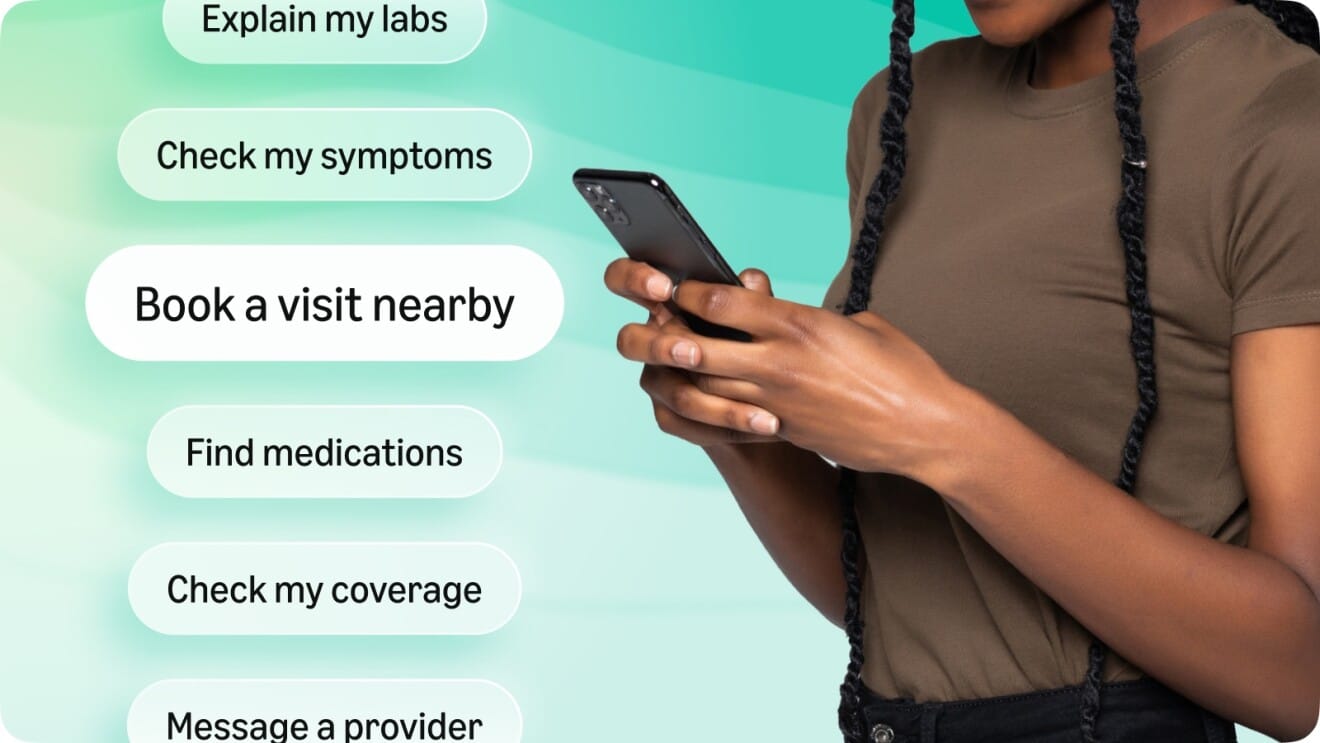
The easiest way to start is to open Amazon.com or the Amazon app and look for Health AI. If your account has access, you should be able to move from general questions into care-related actions without bouncing across a bunch of different services.
Start by signing in to the Amazon account tied to your Prime membership if you want the Prime offer to apply. Then look for the Health AI experience and follow the prompts for questions, care, or account verification.
If you're not seeing it, don't assume it's gone. As of July 10, 2026, Amazon still says the rollout is invite-based, so access may show up later.
Health AI gets more useful when you allow it to use the records or context you want it to see. That can make responses more relevant, especially if you're asking about medications, labs, or follow-up care.
You don't have to allow outside health-record access to use it, but Amazon is clear that the experience works best when it knows your medications, allergies, and health history. If you're not comfortable sharing something, don't share it.
Amazon says Health AI runs in a HIPAA-compliant environment with encryption and strict access controls. It also says protected health information from Amazon One Medical and Amazon Pharmacy isn't used in the broader Amazon store to market general merchandise or by Amazon Ads, and that Amazon doesn't sell customers' personal data.
That's reassuring, but privacy still deserves a careful read. In a health setting, you always want to know what's shared, what's stored, and what you're opting into before you click yes.
Health AI also doesn't replace a clinician. Amazon says it's designed to support, not replace, your provider relationship, and if your symptoms feel urgent or severe, you should move straight to a doctor, urgent care, or emergency services instead of waiting on a chat flow.
Yes, if you already pay for Prime and mostly need occasional, low-acuity care. No, if you were expecting unlimited free telehealth or a full medical home at no extra cost.
The money-saving sweet spot is simple: use the free five Direct Message Care treatments if you qualify, then compare current On-Demand Care pricing with the Prime-priced membership before you commit to anything longer term.
If you're the type of shopper who hates overpaying for small problems, this is worth a look. If you're the type who wants one more consistent care setup and you'll use it often, the membership may be the better long-term value.
Amazon Health AI (beta) is a personalized health assistant on Amazon.com and in the Amazon app that can answer questions about symptoms, medications, lab results, and records, then help connect you to care.
The free Prime perk is capped: eligible members using Health AI can get up to five Direct Message Care treatments for 30+ common conditions at no additional cost. It isn't unlimited telehealth.
Up to five Direct Message Care treatments per Prime membership account in 2026, or until the offer ends. After that, standard One Medical pricing applies.
No. You don't need a One Medical membership to use Health AI or to pay for One Medical On-Demand Care as needed.
Prime members ages 18 to 64 are eligible, but the offer excludes people covered by Medicare, Medicaid, or TriCare and isn't available in Alaska, Arkansas, Delaware, Hawaii, Indiana, Kansas, Mississippi, New Mexico, Vermont, or West Virginia.
As of July 10, 2026, One Medical On-Demand Care starts at $29 for Direct Message Care and $49 for Video Care, with prices varying by condition and state and subject to change. A Prime-priced One Medical membership is $99 per year or $9 per month for the first member.
Not quite. Amazon says Health AI is available on Amazon.com and in the app, but its help page still says access is rolling out on an invite basis to U.S. Amazon customers age 18 and older.
No. It's meant to support, not replace, your provider relationship, and it's not a substitute for emergency care.
Yes. Amazon says a One Medical provider can send necessary prescriptions to any pharmacy you choose, including Amazon Pharmacy.
Amazon says Health AI runs in a HIPAA-compliant environment with encryption and strict access controls, and that protected health information from Amazon One Medical and Amazon Pharmacy isn't used by Amazon Ads or the broader Amazon store to market general merchandise.
Amazon Health AI is worth a look if you're a Prime member who wants quick help for everyday health questions and a shot at saving money on a few message-based treatments. The big catch is that the free offer is limited, the eligibility rules are real, invite-based access is still rolling out, and the paid care can still add up.
Think of it as a convenient entry point into Amazon's health ecosystem, not a magic free-doctor button. If you use it with the fine print in mind, it can be a smart budget move rather than a surprise bill waiting to happen.
 Glow in the Dark LED Light Up Ball, Rechargeable 6-Color Changing Cowhide...$14.99$21.4230% off
 WART Corn Remover Pads for Feet, 40% Salicylic Acid Wart Remover Pads, Corn...$6.39$7.9920% offToothbrush Holders Wall Mounted with Toothpaste Dispenser & 3 Cups | All-in-One...$18.39$22.9920% off
 Carey STENHydration Backpack Hiking Pack Equipped 2L Water Bag$28.79$31.9910% off
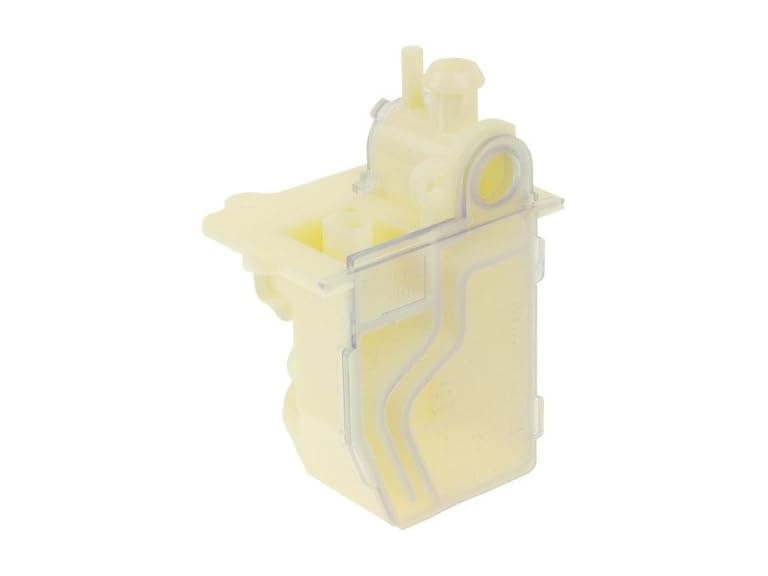 Protech 68-104346-01 Water Trap Condensate Drain$9.99$21.6154% off
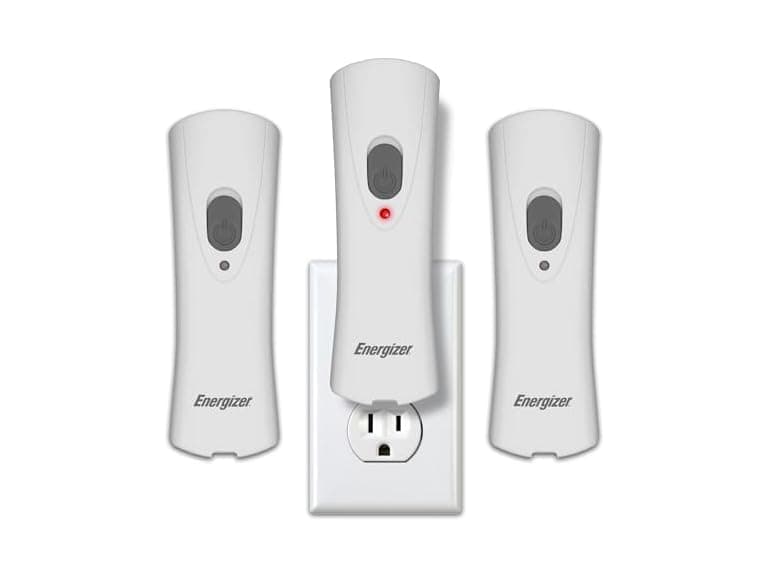 Energizer Weatheready Rechargeable LED Lights 3PK - White$14.99$31.4952% off
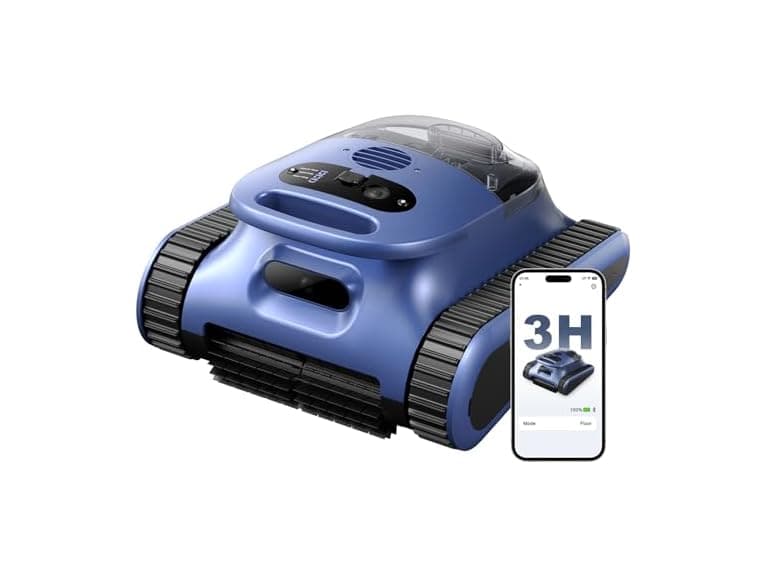 Automatic Robotic Pool Cleaner, 3 in 1$169.99$479.9965% off
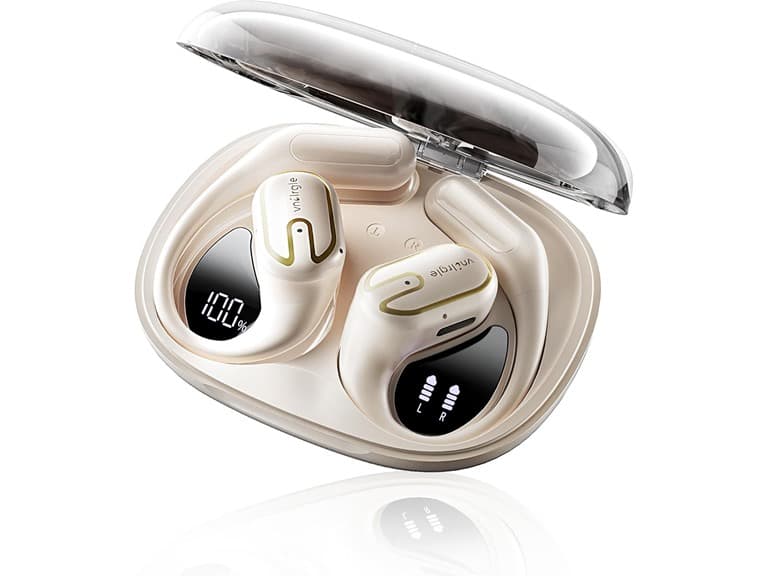 vnilrgle Over Ear Earbuds with Ergonomic Earhook$12.99$43.9970% off
