
Amazon 1-Hour Delivery: How It Works, Cost, Locations & Is It Worth It?
Fat Kid Deals3 months ago10 min read
Fat Kid Deals may earn from qualifying purchases - more info
Affiliate Disclosure: As an Amazon Associate, Fat Kid Deals earns from qualifying purchases. Prices and availability are subject to change.
We may earn a commission for purchases made through links on the website.
Fat Kid Deals may earn from qualifying purchases - more info
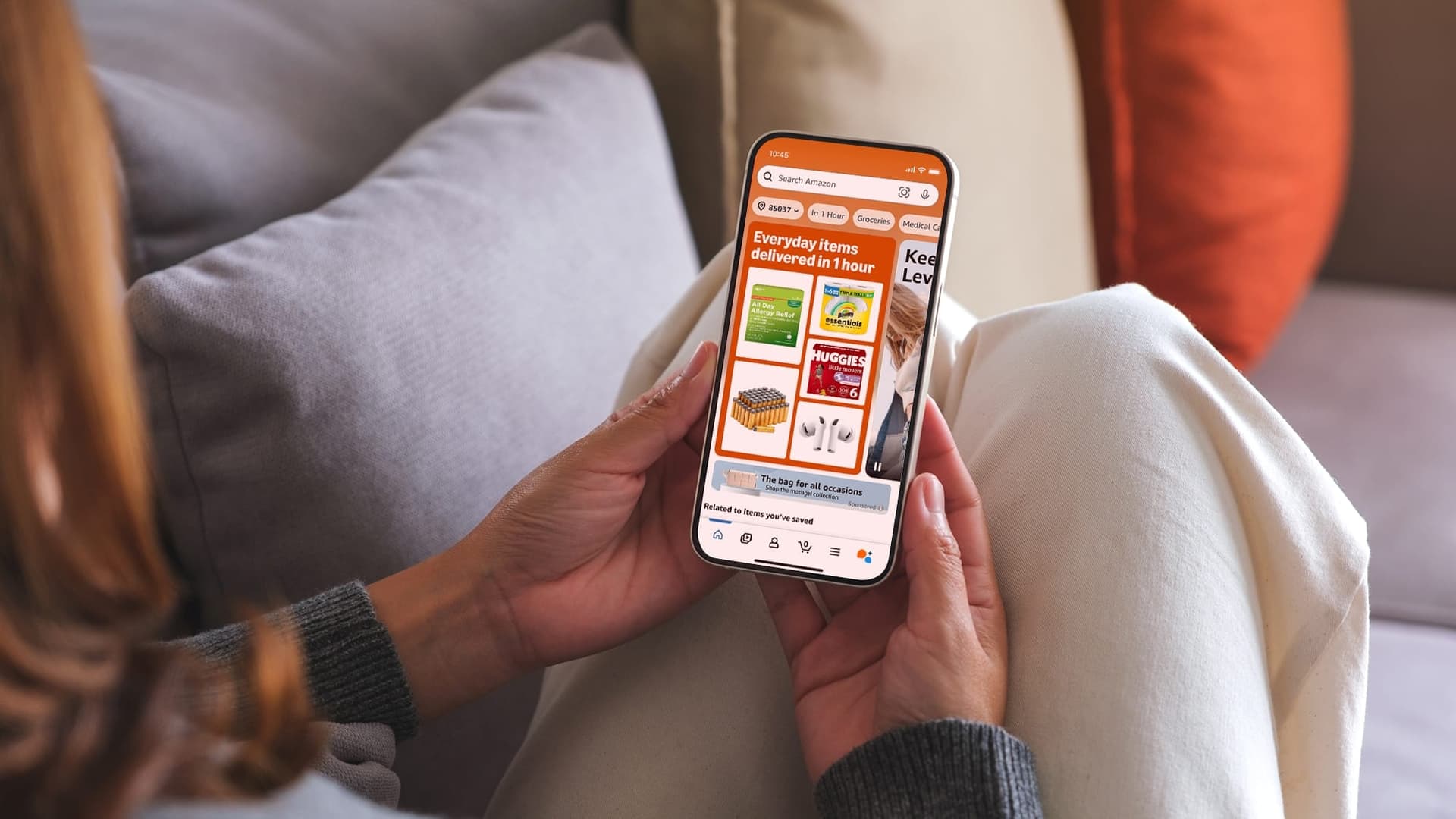
Amazon can now deliver certain everyday essentials to your door in as little as one hour; fast enough to rescue a forgotten dinner ingredient, replace a dead phone charger, or handle a last-minute household need.
But how does the service work, what products and locations qualify, and is it actually better than Amazon’s free Same-Day delivery? Here’s everything you need to know before placing your first ultra-fast order.
Amazon’s 1-hour and 3-hour delivery options are built for shoppers who need something fast but don’t want to wait for a regular delivery window. Think diapers, toothpaste, a phone charger, OTC meds, paper towels, party supplies, or a last-minute birthday fix.
The big catch is that this isn’t every item on Amazon. Amazon says the service covers more than 90,000 products, and the exact mix depends on where you live and what’s in stock nearby.
So if you’re trying to picture where this fits, it sits between standard Prime shipping and Amazon’s more specialized ultra-fast local services. It’s basically a paid speed upgrade on a chunk of Amazon’s Same-Day assortment.
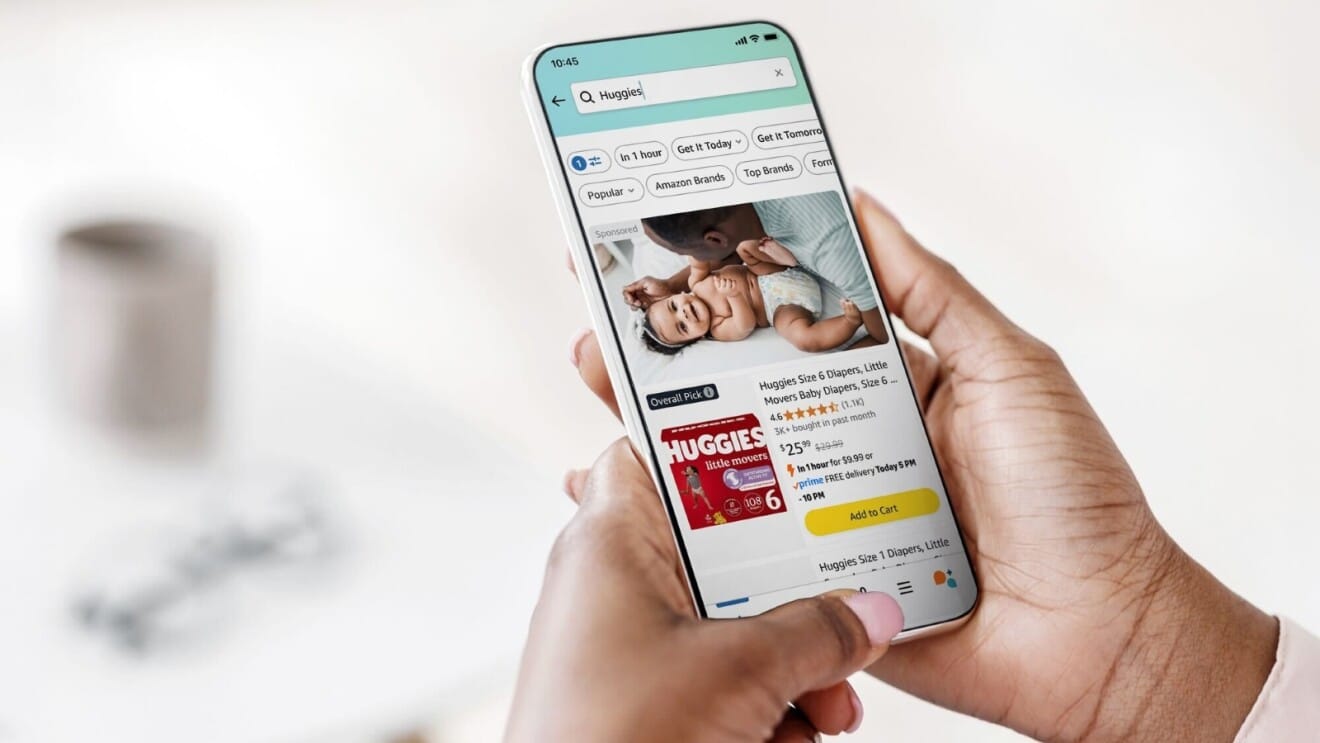
The short version is simple: Prime cuts the fee, but it doesn’t make the service free. That’s the part a lot of shoppers miss.
As of July 7, 2026, Amazon lists these fees:
| Delivery option | Current fee | Best use case |
|---|---|---|
| 1-hour delivery | $9.99 Prime / $19.99 non-Prime | True emergencies and can’t-wait purchases |
| 3-hour delivery | $4.99 Prime / $14.99 non-Prime | Fast but not desperate, especially for essentials |
| Same-Day Delivery | Often free for Prime on qualifying orders; fees can apply on smaller orders or without Prime | Best first check if you can wait a bit |
| Amazon Now | $3.99 Prime / $13.99 non-Prime, plus small-order fees below $15 | Ultra-fast groceries and essentials in select cities |
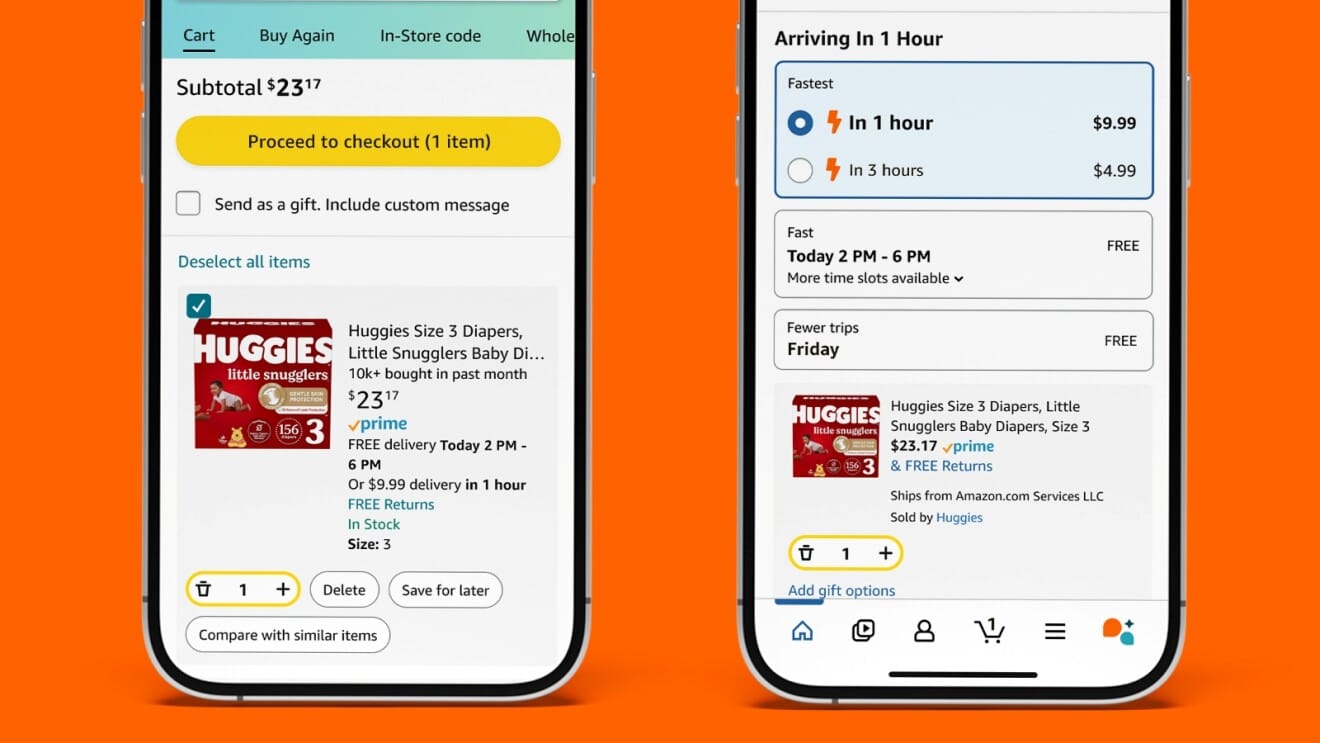
Prime members get the better deal on both services. As of July 7, 2026, Amazon lists 1-hour delivery at $9.99 and 3-hour delivery at $4.99.
That makes 3-hour delivery the more realistic choice if you already have Prime and just need a convenience boost. It’s still a fee, though, so it only makes sense when waiting would cost you more in hassle than the charge does in cash.
Without Prime, the numbers jump fast. Amazon’s current public announcement lists 1-hour delivery at $19.99 and 3-hour delivery at $14.99.
At that point, the value gets shaky unless you truly need the item right away. For most budget-minded shoppers, those fees are high enough that it’s worth checking Same-Day, local pickup, or just buying nearby.
Free Same-Day is still the smarter play whenever your order qualifies. Amazon says Prime members can continue using standard Same-Day Delivery on qualifying orders, and for Same-Day grocery orders with perishables, Prime members get free delivery on orders over $25 in most areas.
If a Prime grocery order doesn’t meet that minimum, Amazon says the Same-Day fee is $2.99. Without Prime, Amazon lists a $12.99 Same-Day grocery delivery fee regardless of order size.
That’s the key money-saving rule here: if your cart already qualifies for free Same-Day, paying extra for 1-hour or 3-hour delivery is usually a convenience tax, not a bargain.
Amazon says 1-hour delivery is already available in hundreds of U.S. cities and towns, while 3-hour delivery is live in more than 2,000, and both options are available seven days a week.
That sounds broad, but eligibility still depends on your ZIP code and local inventory. Two shoppers in the same area can still see different options.
1-hour delivery is the tighter, more limited option. It’s meant for urgent orders, so Amazon only offers it where the company can reliably hit that window.
If you live in a dense city or a well-covered suburb, you’ve got a better shot. If you’re farther out, you may only see 3-hour delivery, or you may not see either one on a given item.
3-hour delivery has broader reach because Amazon has more breathing room to fulfill the order. That’s why it shows up in more places than 1-hour delivery.
For a lot of shoppers, this is the sweet spot. It’s fast enough to solve a same-day problem without paying the highest fee.
The easiest way to check is on Amazon’s Get It Fast page. Amazon also says shoppers can look for “in 1 hour” or “in 3 hours” filters inside the Same-Day shopping experience.
That’s the practical move: plug in your address, scan the eligible items, and see what the checkout fee looks like before you build a plan around it.
Amazon says more than 90,000 items qualify. The company’s launch announcement calls out pantry items, cleaning supplies, health and beauty products, OTC medications, electronics, toys, clothing and accessories, and home and garden products.
So this isn’t just one narrow category. It’s supposed to cover a lot of the things people would otherwise grab from a local supercenter or drugstore when time is tight.
This is where the service makes the most sense. If you’re out of medicine, diapers, paper towels, or basic toiletries, paying a small fee can be easier than a late-night store run.
That said, the fee still has to beat the alternatives. If the same item qualifies for free Same-Day, or if waiting a few hours gets you there without the extra charge, the paid upgrade may not be worth it.
The useful surprise is that the assortment isn’t limited to boring staples. Amazon says the fast-delivery selection also includes electronics, toys, clothing and accessories, and home and garden items.
That makes it handy for birthdays, guest arrivals, school projects, and those small household problems that somehow turn urgent at the worst possible time.
Not every Amazon item can make a 1-hour or 3-hour promise because the service depends on local stock, item size, seller setup, and delivery logistics. A large furniture item or a random listing from far away isn’t going to fit the model.
So if something doesn’t show the fast-delivery label, it usually means it doesn’t qualify in your area right now.
If you’re trying to compare your options without getting buried in Amazon menus, use this rule: choose the fastest option only when it’s also the cheapest option that solves the problem.
| Option | Speed | Typical cost as of July 7, 2026 | Best for | Main catch |
|---|---|---|---|---|
| 1-hour delivery | Fastest among the new Amazon.com options | $9.99 Prime / $19.99 non-Prime | Real emergencies | Highest fee |
| 3-hour delivery | Fast, but less frantic | $4.99 Prime / $14.99 non-Prime | Same-day household fixes | Still not free |
| Same-Day Delivery | Slower than the paid upgrades, but often cheaper | Often free for qualifying Prime orders; fees may apply otherwise | General same-day needs | Qualification depends on order, ZIP code, and cart |
| Amazon Now | About 30 minutes or less in select cities | $3.99 Prime / $13.99 non-Prime, plus small-order fees below $15 | Groceries and essentials | Separate service, limited markets |
If the item is truly urgent, 1-hour delivery is the obvious pick. That could mean OTC medicine tonight, a charger before a trip, or a party item when guests are already on the way.
But if you can wait a little, 3-hour delivery is usually easier to justify. It gives you speed without making the fee feel wildly out of proportion.
Same-Day Delivery is the best savings play when your order qualifies. Free beats paid, and that’s still the first comparison worth making before you tap the fastest button.
If you’re shopping with a budget-first mindset, this is where the discipline matters. A $4.99 or $9.99 fee doesn’t sound huge until you stack it on top of a cart that didn’t really need rush delivery.
For groceries and perishables, Amazon Now can be the better fit in eligible cities. Amazon says it delivers thousands of fresh groceries and household essentials in 30 minutes or less, and as of July 7, 2026, the company lists the Prime fee at $3.99 per order.
That’s why the new 1-hour and 3-hour options aren’t automatically the fastest Amazon choice. They’re fast, but they’re part of a different lane.
Paying for 1-hour delivery makes sense when the alternative is a genuine headache. If you’d otherwise spend gas money, parking money, or a big chunk of your evening to grab one item, the fee can be rational.
Rational doesn’t mean automatic, though. The real question is whether the time saved is worth more to you than the delivery fee.
These are the classic use cases. If someone needs OTC meds tonight, the baby’s out of diapers, or you forgot the charger before a trip, the fee can save the day.
It’s also handy for party problems like napkins, candles, paper plates, or a backup cable. Those are exactly the purchases that feel silly to chase across town when a fast delivery window can solve them.
If the item is a nice-to-have instead of a need-it-now, waiting is usually the better deal. A 3-hour window or free Same-Day order can save enough that the convenience premium stops making sense.
A good rule is simple: if you’d still be fine tomorrow morning, skip the rush fee.
Prime matters here because it cuts the fast-delivery fee sharply. That doesn’t make the option free, but it can turn a hard no into a maybe.
As of July 7, 2026, Amazon lists regular U.S. Prime at $14.99 per month or $139 per year. Amazon also lists discounted options including Prime Access at $6.99 per month for eligible members and Prime for Young Adults at $7.49 per month or $69 per year for eligible 18-to-24-year-olds and college students.
The regular plan price matters because it frames the whole fast-delivery decision. If you already pay for Prime and use the shipping, streaming, or grocery benefits, the lower 1-hour and 3-hour fees are a real perk.
If you’re not already getting value from Prime, though, it’s a pricey add-on to justify for a few emergency orders.
Amazon’s lower-cost Prime options can make the math friendlier for eligible shoppers. That matters if you already wanted Prime and the delivery discount is one more reason.
Still, it usually doesn’t make sense to join Prime just to make one urgent checkout cheaper. One 3-hour order alone won’t do the work.
The easiest way to overspend here's to treat speed like a feature instead of a fee. Before you pay for 1-hour or 3-hour delivery, check whether the item already qualifies for a cheaper Same-Day option.
A few habits help:
The best rule is simple: pay for speed only when speed solves a problem you actually care about.
Sometimes, yes. If you need a must-have item today and the fee is still cheaper than a store run, 1-hour delivery can be a smart buy.
Most of the time, though, 3-hour delivery, free Same-Day, or Amazon Now will be the better value. The trick is to match the service to the problem instead of paying the highest fee just because it’s the fastest button on the screen.
As of July 7, 2026, Amazon lists 1-hour delivery at $9.99 per order for Prime members and $19.99 without Prime. Amazon announced the option on March 17, 2026.
As of July 7, 2026, Amazon lists 3-hour delivery at $4.99 for Prime members and $14.99 for non-Prime shoppers. It’s a paid speed upgrade, not a free Prime perk.
No. Prime lowers the fee, but it doesn’t make 3-hour delivery free. As of July 7, 2026, Amazon lists the Prime fee at $4.99 per order.
Use Amazon’s Get It Fast page and look for “in 1 hour” or “in 3 hours” filters inside the Same-Day shopping experience. Availability depends on your ZIP code and what’s in stock nearby.
Amazon says more than 90,000 items qualify, including pantry items, cleaning supplies, health and beauty products, OTC medications, electronics, toys, clothing and accessories, and home and garden products.
No, but Prime makes the service much cheaper. As of July 7, 2026, Amazon lists regular U.S. Prime at $14.99 per month or $139 per year, plus discounted options such as Prime Access and Prime for Young Adults for eligible shoppers.
Amazon Now is a separate ultra-fast service for thousands of groceries and household essentials in select U.S. cities, with delivery in 30 minutes or less. The new 1-hour and 3-hour option covers a broader Amazon.com assortment of more than 90,000 items.
Amazon’s 1-hour and 3-hour delivery options are useful, but they’re not automatic wins. The cheapest smart move is still to check free Same-Day first, then use 3-hour or 1-hour delivery only when the time saved is genuinely worth the fee.
 Glow in the Dark LED Light Up Ball, Rechargeable 6-Color Changing Cowhide...$14.99$21.4230% off
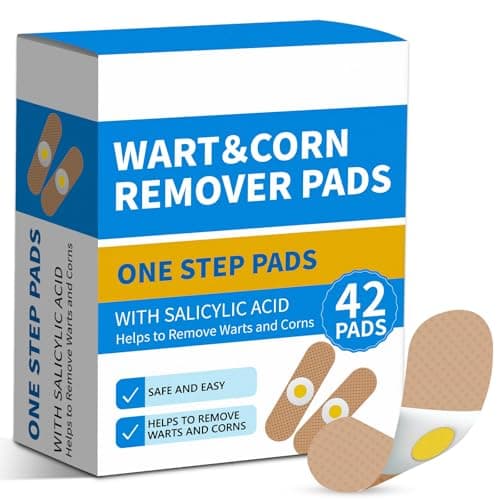 WART Corn Remover Pads for Feet, 40% Salicylic Acid Wart Remover Pads, Corn...$6.39$7.9920% offToothbrush Holders Wall Mounted with Toothpaste Dispenser & 3 Cups | All-in-One...$18.39$22.9920% off
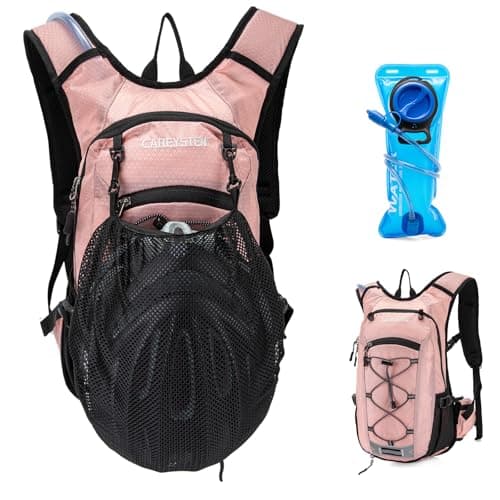 Carey STENHydration Backpack Hiking Pack Equipped 2L Water Bag$28.79$31.9910% off
 Protech 68-104346-01 Water Trap Condensate Drain$9.99$21.6154% off
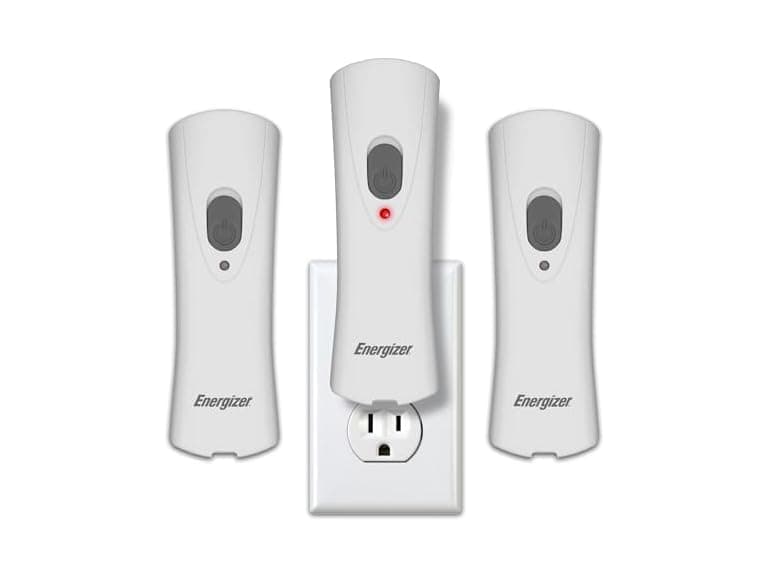 Energizer Weatheready Rechargeable LED Lights 3PK - White$14.99$31.4952% off
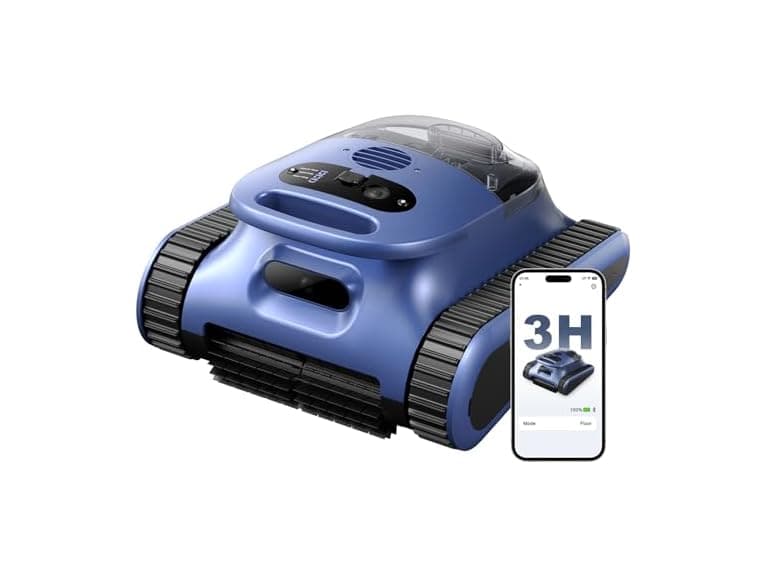 Automatic Robotic Pool Cleaner, 3 in 1$169.99$479.9965% off
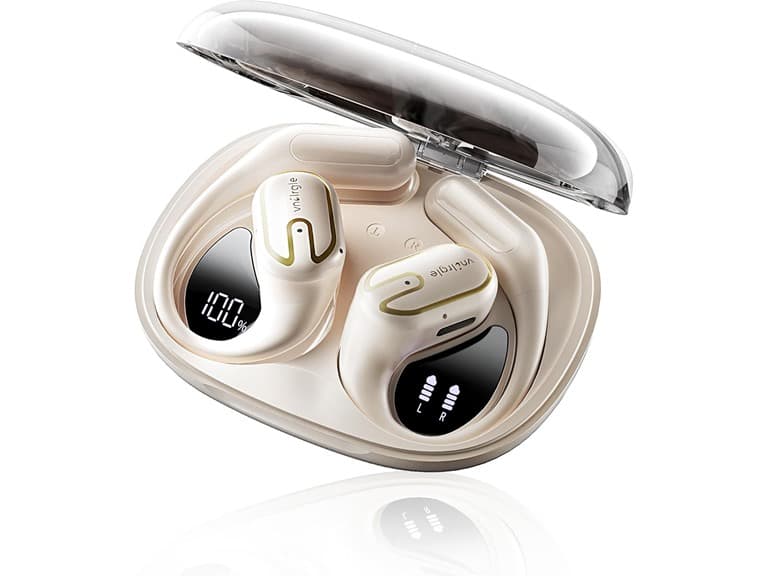 vnilrgle Over Ear Earbuds with Ergonomic Earhook$12.99$43.9970% off
