
Understanding Amazon Prime Video: A Breakdown of Costs, Ads, & The Ultra Tier
Fat Kid Deals3 months ago12 min read

Fat Kid Deals may earn from qualifying purchases - more info
Affiliate Disclosure: As an Amazon Associate, Fat Kid Deals earns from qualifying purchases. Prices and availability are subject to change.
We may earn a commission for purchases made through links on the website.
Fat Kid Deals may earn from qualifying purchases - more info
Prime Video is Amazon’s streaming service, and in the U.S. it comes bundled with Prime for most shoppers. As of July 10, 2026, Prime costs $14.99 a month or $139 a year, and Prime Video Ultra is the separate $4.99-a-month upgrade if you want fewer interruptions and the best playback features.
The money trap is still the same: some titles are included, but rentals, purchases, channel add-ons, and some live content cost extra. The cheapest legit setup is the one that matches what you actually watch, not the one with the biggest-looking library.

Prime Video is Amazon’s streaming service for movies, TV, live sports, rentals, purchases, and add-on subscriptions. It’s part of the broader Prime bundle, so the real value question isn’t just whether you want another streaming app. It’s whether you’ll use enough of Prime overall to make the bundle worth the cost.
Prime Video is included with Prime, which is why a lot of shoppers treat it like it’s free. It isn’t free in the strict sense, but it's bundled into the Prime membership price.
That bundle matters. If you already use Prime shipping, Prime Video can feel like a bonus instead of a separate bill.
If you want the bigger picture on the rest of the membership, see other Prime perks you get beyond streaming. That helps you decide whether Prime Video is carrying its share of the value or just tagging along.
There are really three buckets inside Prime Video, and mixing them up is how people overpay.
That’s the whole trick. If you only remember one thing, make it this: the app isn't the same thing as the included catalog.
For most U.S. shoppers, the baseline cost is the price of Prime itself. On top of that, you might pay for Prime Video Ultra, channel subscriptions, or rentals and purchases.
Here’s the simple version.
| Option | What it costs in the U.S. | What you get |
|---|---|---|
| Prime membership | $14.99/month or $139/year as of July 10, 2026 | Prime Video included, plus the rest of Prime |
| Prime Video Ultra | +$4.99/month | Ad-free on-demand Prime titles, 4K/UHD, Dolby Atmos, more streams, more downloads |
| Add-on channels | Varies by channel | Extra subscriptions billed on top of Prime or Prime Video |
| Rentals / purchases | Varies by title | Pay only for the specific movie, show, or event |
Prime is $14.99 per month or $139 per year in the U.S. as of July 10, 2026. That’s the price most people are really paying when they say they “pay for Prime Video.”
If you already need Prime shipping, that can be a fair bundle. If you only want streaming, it’s worth asking whether the rest of Prime matters enough to justify the full membership.

Prime Video Ultra is Amazon’s U.S. premium upgrade, and it costs $4.99 per month on top of a Prime or Prime Video subscription. Amazon said the new name took effect on April 10, 2026, replacing the older Ad Free add-on in the U.S.
Ultra adds ad-free on-demand viewing, exclusive 4K/UHD access, Dolby Atmos, up to five concurrent streams, and up to 100 downloads.
The standard Prime Video benefit also changed in 2026, which matters if you’re comparing plans. Standard Prime Video now includes limited ads, up to four concurrent streams, up to 50 downloads, and Dolby Vision, but 4K/UHD and Dolby Atmos are Ultra-only in the U.S.
A quick cheat sheet:
| Feature | Standard Prime Video | Prime Video Ultra |
|---|---|---|
| Price | Included with Prime | +$4.99/month |
| Ads on Prime movies and shows | Yes, limited ads | No, for most on-demand Prime titles |
| 4K/UHD | No | Yes |
| Dolby Atmos | No | Yes |
| Dolby Vision | Yes | Yes |
| Concurrent streams | Up to 4 | Up to 5 |
| Offline downloads | Up to 50 | Up to 100 |
One important caveat: even with Ultra, some content can still include ads, including live TV, sports, select free ad-supported programming, and some add-on subscriptions.
If the full Prime price feels steep, there are cheaper paths for eligible shoppers.
Prime Access is $6.99 per month for qualifying government-assistance recipients and income-verified customers. New Prime Access members also get a 30-day free trial.
Prime for Young Adults is $7.49 per month or $69 per year for eligible 18- to 24-year-olds and higher-education students. Eligible new members can try it for six months at $0.
That’s where the math gets interesting. If you qualify for either discounted membership, Prime Video gets a lot easier to justify.
For a deeper look at the younger-audience option, check Prime for Young Adults pricing and perks.
Yes, sort of, but this is the part Amazon doesn’t explain very clearly on its public U.S. overview pages.
Prime Video’s own help pages and terms still refer to a Prime Video-only subscription. Amazon also has help language for cancelling a Prime Video-only subscription if you have one. What Amazon doesn’t clearly publish on the public U.S. overview pages is a current standalone base price the way it does for full Prime.
So if you see a Prime Video-only option at checkout, treat that screen as the live source of truth. Verify the current price before you tap buy.
Prime Video gets a lot easier to understand when you split it into what’s included, what’s pay-per-title, and what’s an add-on. That separation is where a lot of people save money.
Included titles are the movies and shows that come with your Prime membership. That includes Amazon Originals, licensed movies, TV shows, and live sports that are part of the Prime Video benefit.
This is the part most shoppers actually want. If you’re a casual viewer, the included library may be enough without any upgrades at all.
Rentals and purchases are separate charges, even when they show up inside the same app. That’s the part that catches people off guard.
The fix is simple: check the label before you hit play. If the title is marked as rent, buy, or pay-per-view where offered, it isn’t part of the membership you already pay for.
Prime Video channels are extra paid subscriptions layered on top of Prime or Prime Video. They can include services like HBO Max, Apple TV, Peacock Premium Plus, FOX One, MGM+, Paramount+, and others.
That’s why channel stacking gets expensive fast. A couple of channels can be reasonable. Four or five at once can turn Prime Video from a decent deal into a messy monthly bill.
Prime Video also offers free ad-supported programming and live channels in some parts of the app. That’s another reason shoppers get confused about what’s included and what the ad experience will look like.
Ultra doesn’t erase all of that. Free ad-supported content, live TV, sports, and some add-on subscriptions can still show ads.

Prime Video is strongest when you want variety. You get originals, licensed movies and shows, live sports, rentals, purchases, and channel add-ons in one place.
Prime Video’s included catalog mixes Amazon originals with licensed movies and TV shows. That part changes over time, so it’s better to think of the included catalog as rotating rather than permanent.
If you only care about one title, don’t assume it’ll still be included next month.
For U.S. Prime members, the live sports lineup currently includes Thursday Night Football, NBA, WNBA, NASCAR, NWSL, and the Masters.
That makes Prime Video more useful than a lot of people expect, especially if you already pay for Prime for shipping or other perks.
Sports rights can change, though. If you only care about one league or one team, check the current season setup before you commit to a subscription month.
Prime Video is best for three kinds of shoppers: casual streamers who already pay for Prime, sports fans who want the included live lineup, and households that can spread the cost across multiple Prime benefits.
If you only watch one show every couple of months, the service can be overkill. In that case, a one-month channel add-on or a single rental is usually the cheaper move.
Prime Video Ultra is worth the extra money if ads bug you, you care about 4K/UHD and Dolby Atmos, or multiple people in your house stream often enough to care about the higher limits.
Skip it if you mostly watch casually and the standard setup already feels fine.
Pay for Ultra if you stream often enough to notice the difference. It makes the most sense for people who watch several nights a week, have a 4K setup, or hate ad interruptions.
It’s also the better fit for busy households. The jump from four streams to five and from 50 downloads to 100 can matter more than it sounds like on paper.
Skip Ultra if you’re mostly browsing, watching one-off movies, or treating Prime Video as a side perk of Prime shipping.
Skip it too if you’re already paying for a pile of other subscriptions. Ultra is nice, but nice turns into waste when it’s just another charge you forget about.
Here’s the easy test: if Prime Video is something you use every week, Ultra is a comfort upgrade. If you only open the app a few times a month, it’s probably a want, not a need.
And if you only want one channel, one league, or one short binge, don’t buy a bigger package than you need.
Prime Video works across a wide range of compatible devices through the Prime Video app. The bigger question is how to use it in a way that saves you money and headaches.
The Prime Video app is available on televisions, Amazon devices, mobile devices, Blu-ray players, game consoles, and streaming media devices.
That makes it pretty easy to move between screens without changing services or buying extra hardware.
Yes, Prime Video supports offline downloads.
Standard Prime Video now allows up to 50 downloads, and Prime Video Ultra raises that limit to 100 downloads. If you know you’ll be away from solid internet, downloading before you leave is still one of the smartest features in the whole service.
If you travel outside your home country, the titles you can stream may change.
The safest move is to download what you want before you leave. Amazon says downloaded titles can be watched offline anywhere in the world on compatible devices.
Saving money on Prime Video usually comes down to eligibility, timing, and restraint. The service is easiest to justify when you’re not paying for more than you use.
If you qualify, start with the discount. Prime Access and Prime for Young Adults can cut the cost of Prime Video in half compared with full Prime.
If you want the family side of that math, how to share Prime with family using Amazon Household can help stretch one membership further. Just note that Amazon now calls that sharing setup Amazon Family.
Don’t keep every add-on channel year-round unless you really use all of them. A better move is to subscribe for the month a show drops, watch what you came for, and cancel.
That one habit can save more than the service itself.
If you try a channel or a sports add-on, set a reminder the same day you sign up. Trials are great when they stay trials, and expensive when they quietly roll into another month.
This matters most for sports fans, because a live season can easily keep a charge alive longer than you meant to keep it.
If more than one adult in your home uses shipping, streaming, photos, and other Prime perks, full Prime may be the better deal. In that case, the value isn’t just Prime Video. It’s the whole bundle.
That’s where more Prime benefits that may justify the full membership can matter. Full Prime starts looking smarter when multiple benefits get used regularly.
If Prime Video is the only perk you care about, be honest about that. In that case, a discounted membership, a verified video-only option if you see one at checkout, or a one-month add-on is usually the better play.
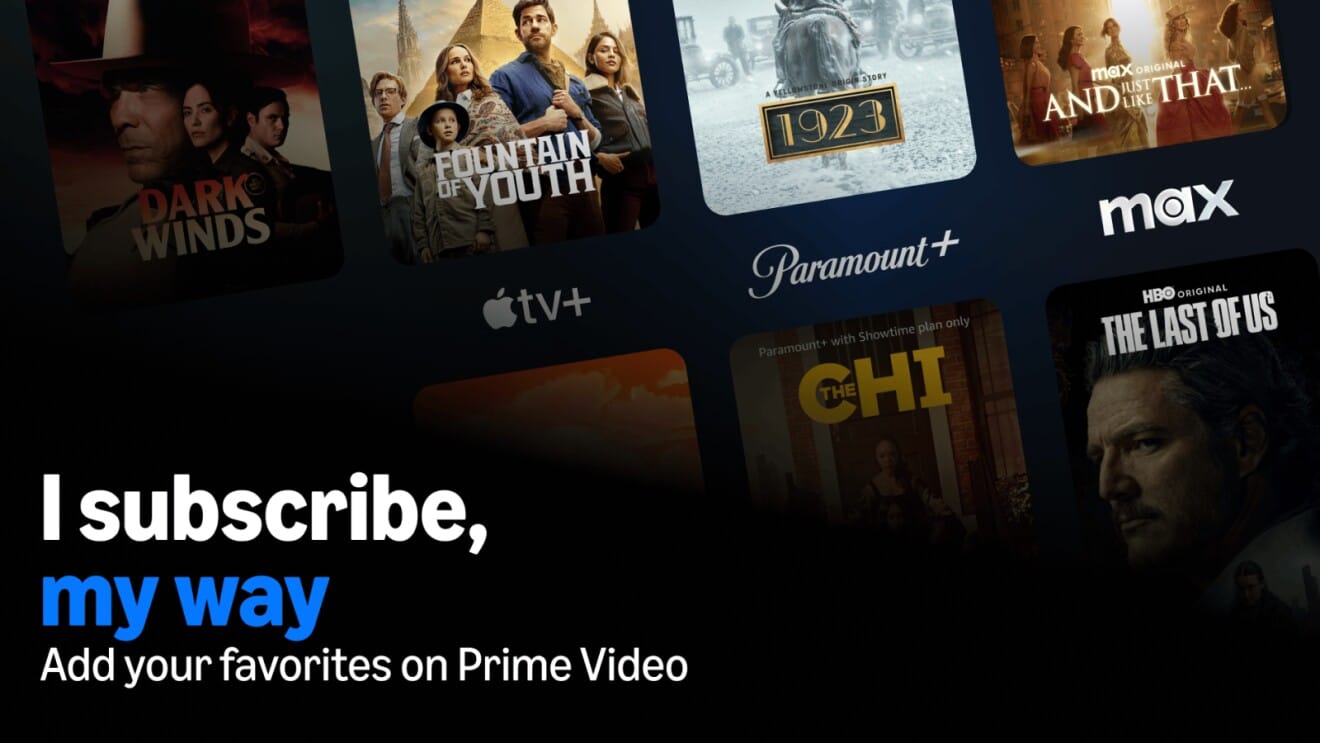
For most budget-minded shoppers, Prime Video is worth it only if you already want Prime or watch enough that the included catalog does real work for you.
If you’re just chasing one show, one game, or one channel, skip the extra stuff and use the shortest legit option that gets the job done.
The best choice usually looks like this:
That’s the cleanest money-first rule. Don’t buy the biggest package just because it looks complete.
Yes. Prime Video is included with eligible Prime memberships, though rentals, purchases, pay-per-view titles where offered, and paid channels are separate.
For most U.S. shoppers, Prime Video comes with Prime at $14.99 per month or $139 per year as of July 10, 2026. Prime Video Ultra is an extra $4.99 per month on top of a Prime or Prime Video subscription.
Prime Video Ultra is Amazon’s U.S. premium upgrade that replaced the old Ad Free add-on on April 10, 2026. It adds ad-free on-demand viewing, exclusive 4K/UHD access, Dolby Atmos, up to five concurrent streams, and up to 100 downloads.
Yes. Standard Prime Video movies and TV shows include limited ads, and those ads can’t be skipped. Even with Ultra, live TV, sports, select free ad-supported programming, and some add-on subscriptions can still carry ads.
Rentals and purchases, pay-per-view events where offered, paid add-on subscriptions like HBO Max or Apple TV, and the Prime Video Ultra upgrade can all cost extra. They sit outside the included-with-Prime catalog.
Amazon’s help pages and terms still reference Prime Video-only subscriptions, but Amazon’s public U.S. overview pages don’t clearly post a standalone base price. If you see that path at checkout, verify the current screen before you sign up.
Yes. Prime Video supports offline downloads, and Amazon says downloaded titles can be watched anywhere in the world on compatible devices. The streaming catalog can change outside your home country.
Only when you want one specific channel or show for a short window. They stop being a deal when you stack several at once and forget to cancel.
If you’re eligible for a Prime free trial, Prime Video is included during it. That’s the cheapest way to test whether the library and the rest of Prime are worth keeping.
Yes. Prime Access is $6.99 per month after a 30-day trial for eligible shoppers, and Prime for Young Adults costs $7.49 per month or $69 per year after a six-month $0 trial for eligible 18- to 24-year-olds and higher-education students.

 Glow in the Dark LED Light Up Ball, Rechargeable 6-Color Changing Cowhide...$14.99$21.4230% off
 WART Corn Remover Pads for Feet, 40% Salicylic Acid Wart Remover Pads, Corn...$6.39$7.9920% offToothbrush Holders Wall Mounted with Toothpaste Dispenser & 3 Cups | All-in-One...$18.39$22.9920% off
 Carey STENHydration Backpack Hiking Pack Equipped 2L Water Bag$28.79$31.9910% off
 Protech 68-104346-01 Water Trap Condensate Drain$9.99$21.6154% off
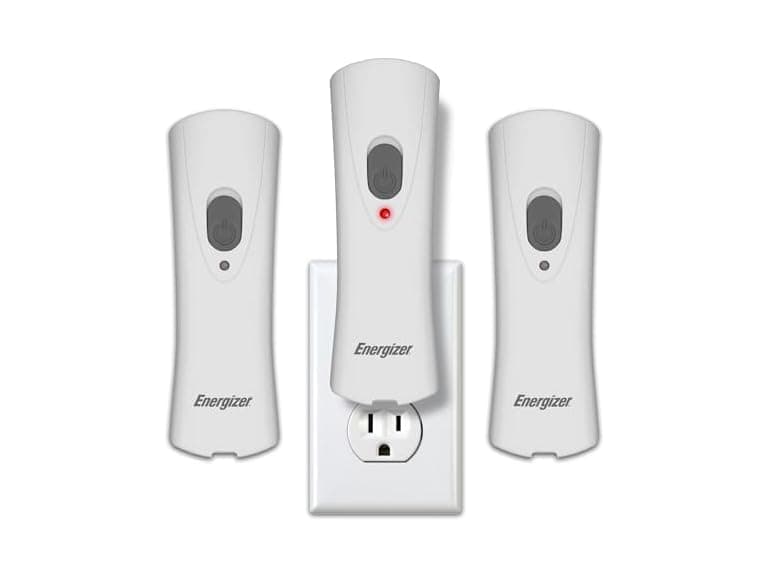 Energizer Weatheready Rechargeable LED Lights 3PK - White$14.99$31.4952% off
 Automatic Robotic Pool Cleaner, 3 in 1$169.99$479.9965% off
 vnilrgle Over Ear Earbuds with Ergonomic Earhook$12.99$43.9970% off
